
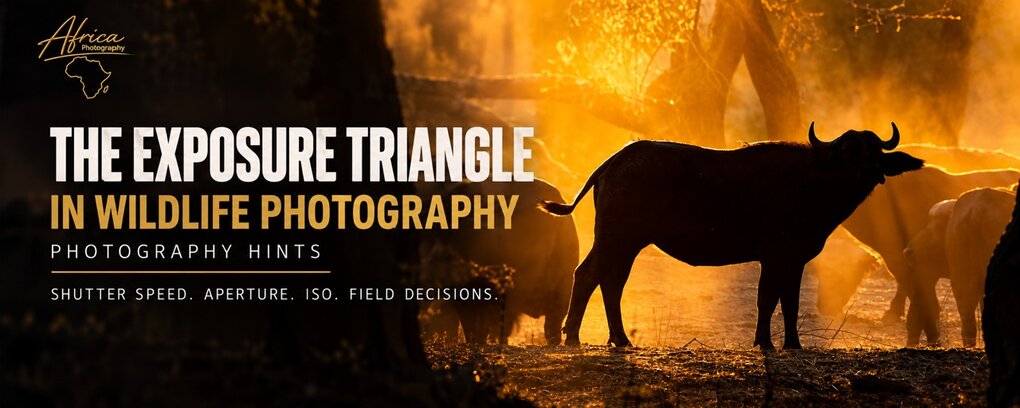
Wildlife photography rarely gives us a second chance.
A bird suddenly takes flight.
A lion raises its head for only a few seconds. An elephant walks through the dust just as the sun disappears behind the horizon.
In these moments, there is no time to reconsider every camera setting from the beginning.
A bird suddenly takes flight.
A lion raises its head for only a few seconds. An elephant walks through the dust just as the sun disappears behind the horizon.
In these moments, there is no time to reconsider every camera setting from the beginning.
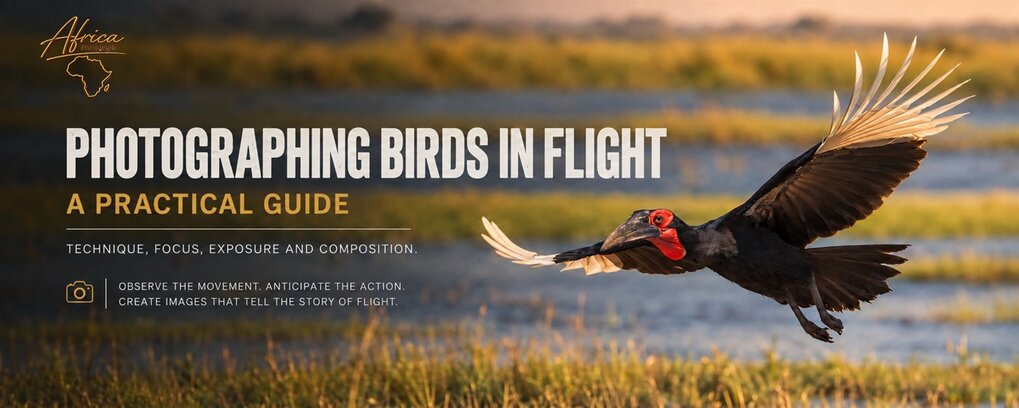
Photographing a bird in flight requires much more than fast autofocus. You need to find the subject quickly in the viewfinder, follow its movement, select an appropriate shutter speed, and pay close attention to light, background and composition.

🦅September 6th marks International Vulture Awareness Day – a global initiative held every first Saturday of September......
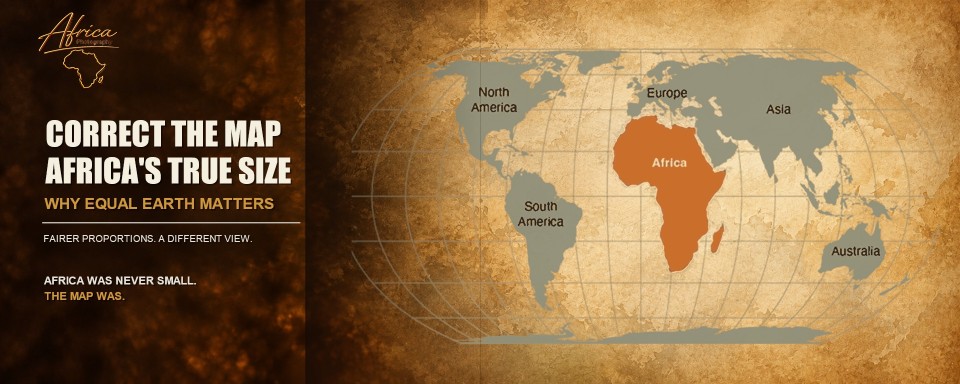
On 4 September 2026, the United Nations General Assembly adopted a resolution that may seem, at first glance, to be only about geography.
But it is about much more than geography.
But it is about much more than geography.

Every year on 12 August, World Elephant Day reminds us how extraordinary elephants are — and why protecting them and their habitat matters. The initiative began in 2012 and today brings together people and conservation organisations around the world.

Some wildlife encounters stay with you long after the journey is over.
My first encounter with African wild dogs was one of them.
My first encounter with African wild dogs was one of them.

On August 10, we celebrate the lion—not only as a symbol of Africa, but as an apex predator whose survival is vital to the future of the savannah.
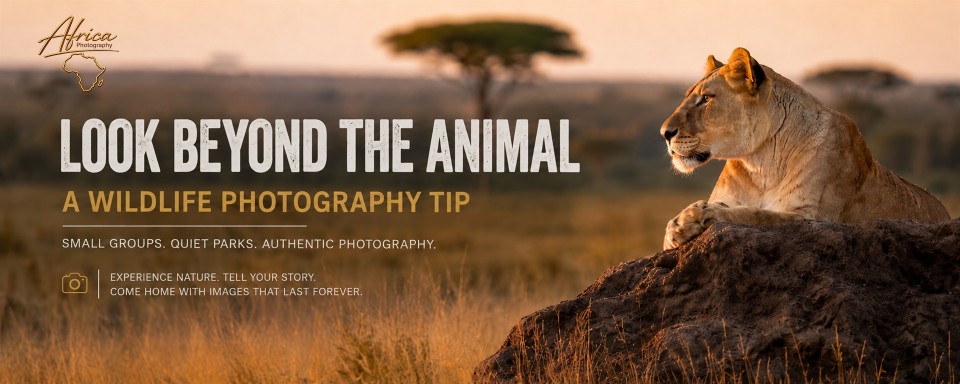
When we see a lion, elephant, leopard or colourful bird, our first instinct is to concentrate entirely on the animal. We think about the eyes, focus, exposure and the right moment to press the shutter.
Later, however, we may discover that something is missing from the photograph.
Later, however, we may discover that something is missing from the photograph.
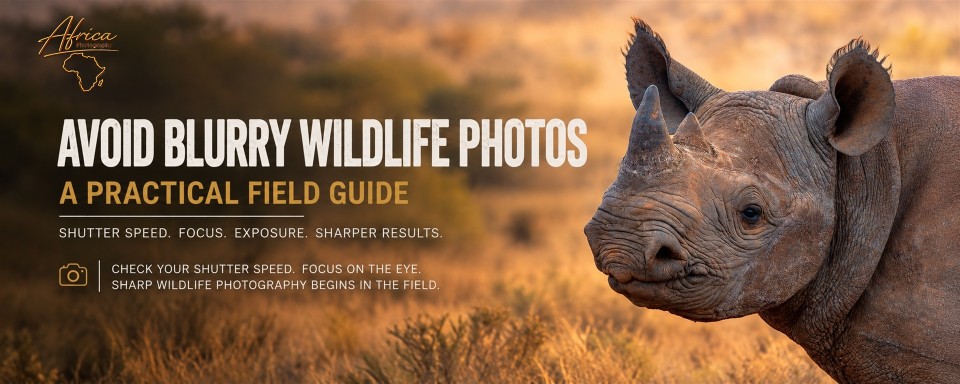
I have returned from more than one safari convinced that I had captured a strong photograph, only to discover later that it was not as sharp as it appeared on the camera screen.
The light was beautiful and the moment was there—but on a larger screen, the subject looked soft.
The light was beautiful and the moment was there—but on a larger screen, the subject looked soft.

🐆 May 3 marks World Leopard Day
World Leopard Day shines a light on one of Africa’s most elusive and enigmatic predators.
World Leopard Day shines a light on one of Africa’s most elusive and enigmatic predators.