Ruaha photographic safari opportunities
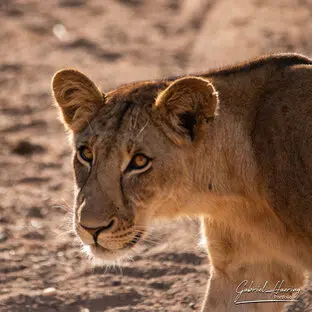
Work patiently with lions, leopards, cheetahs and, when nature allows, African wild dogs within Ruaha’s baobab country and river environments.
Remote Tanzania · 3–10 June 2027
A photographer-led fly-in safari through Ruaha and Katavi, combining baobabs, predators, elephant country, buffalo herds, hippo pools and two of Tanzania’s most remote wilderness areas.
Remote Tanzania photographic safari
Ruaha National Park and Katavi National Park form one of Tanzania’s most remote and rewarding combinations for wildlife photographers seeking space, strong animal behaviour and an authentic wilderness atmosphere.
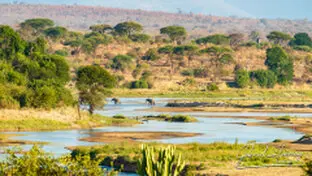
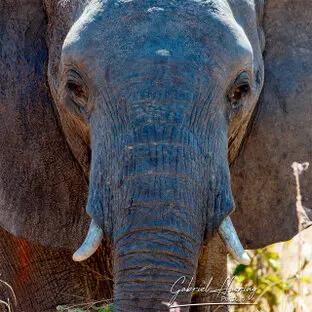
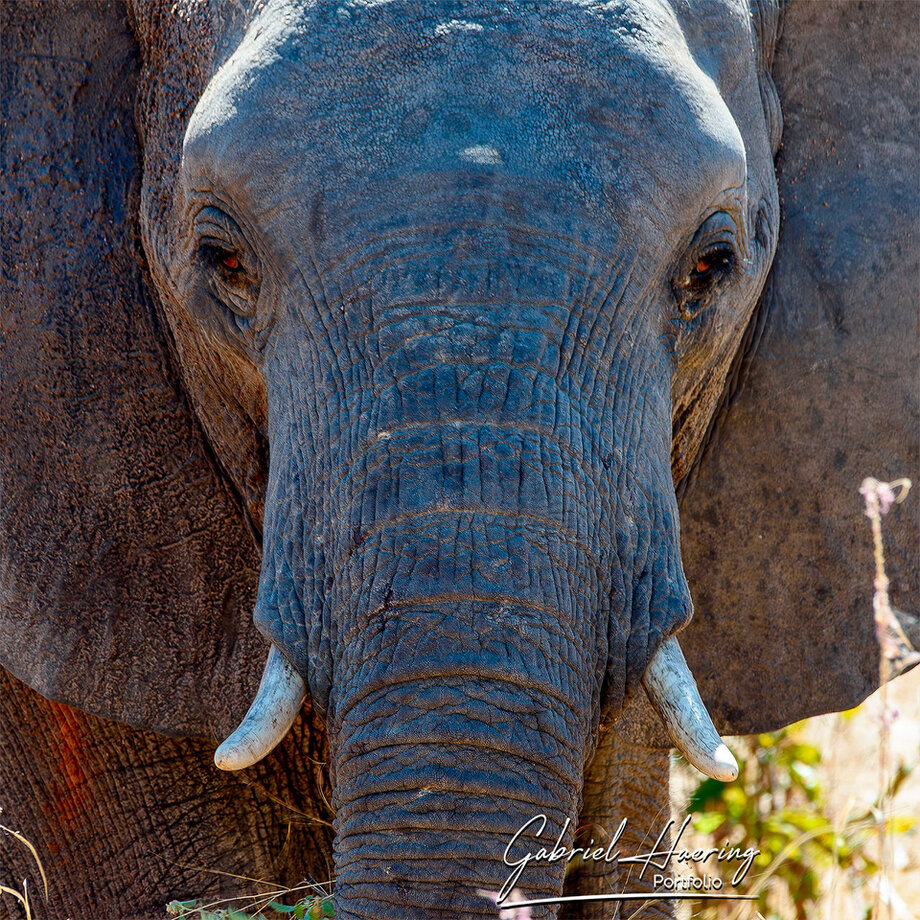
A Ruaha photographic safari offers ancient baobabs, the Great Ruaha River, large elephant populations and some of Tanzania’s most rewarding predator photography. Lions, leopards, cheetahs and African wild dogs inhabit a landscape of rocky hills, seasonal rivers and open savannah.
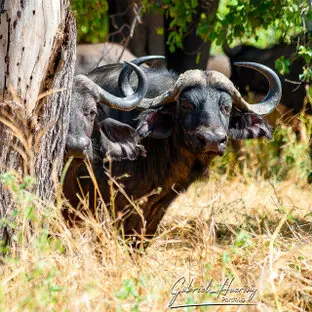
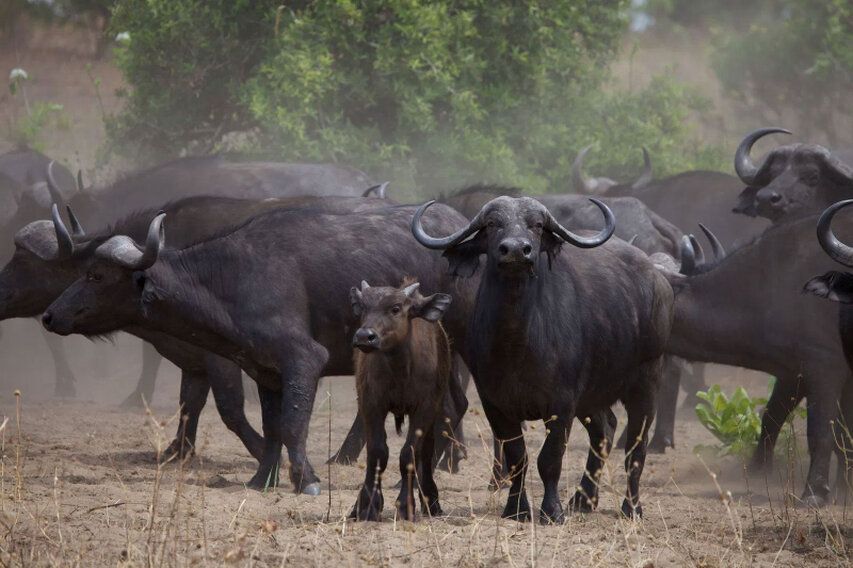
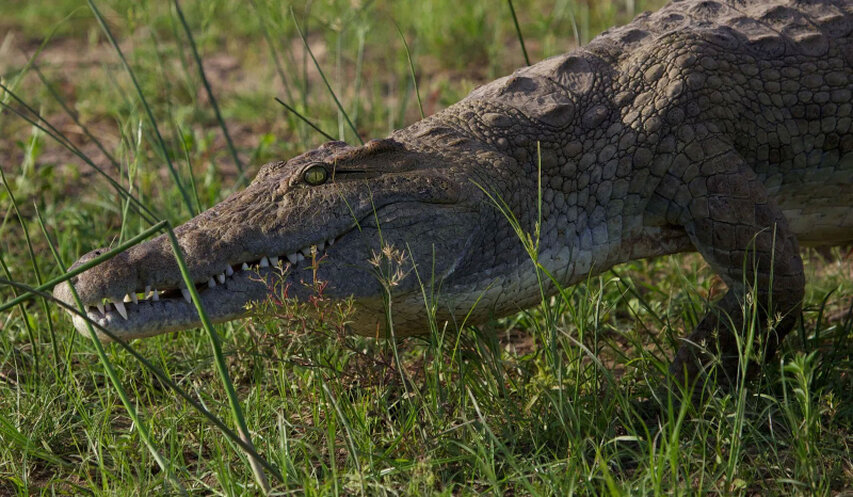
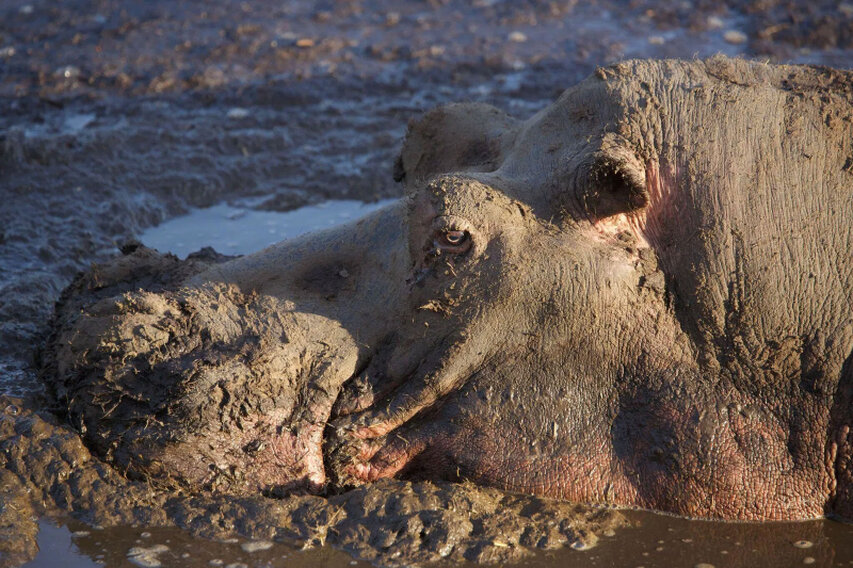
A Katavi photographic safari is defined by space, isolation and large-scale wildlife scenes, from buffalo herds and hippo pools to elephants, crocodiles and predators moving across the park’s seasonal floodplains.
Scheduled bush flights connect the parks, avoiding long road transfers and preserving more time for wildlife photography in two of Tanzania’s least-travelled safari destinations.
Photographic focus
This Ruaha and Katavi photographic safari prioritises changing light, natural behaviour, environmental compositions and time at meaningful sightings rather than a rushed list of species.
Work patiently with lions, leopards, cheetahs and, when nature allows, African wild dogs within Ruaha’s baobab country and river environments.
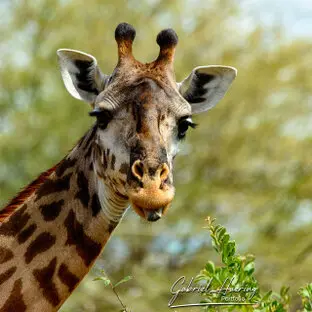
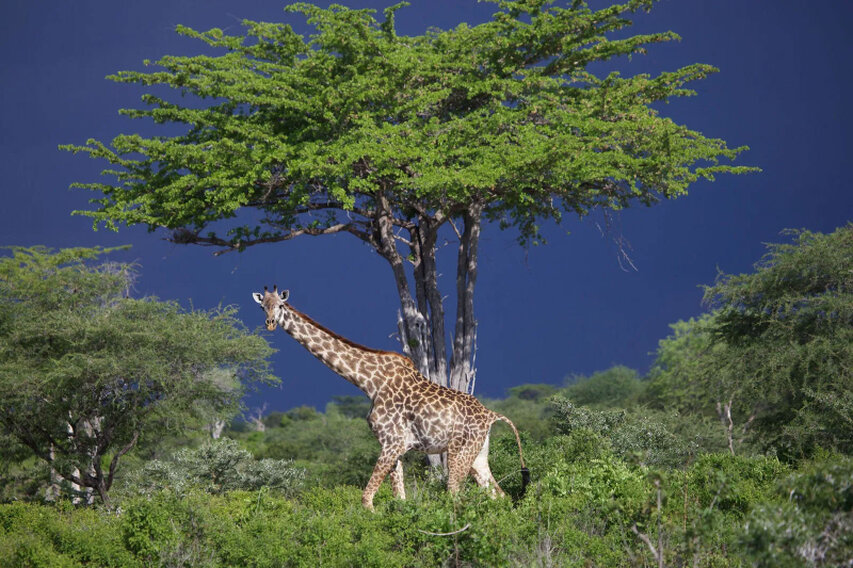
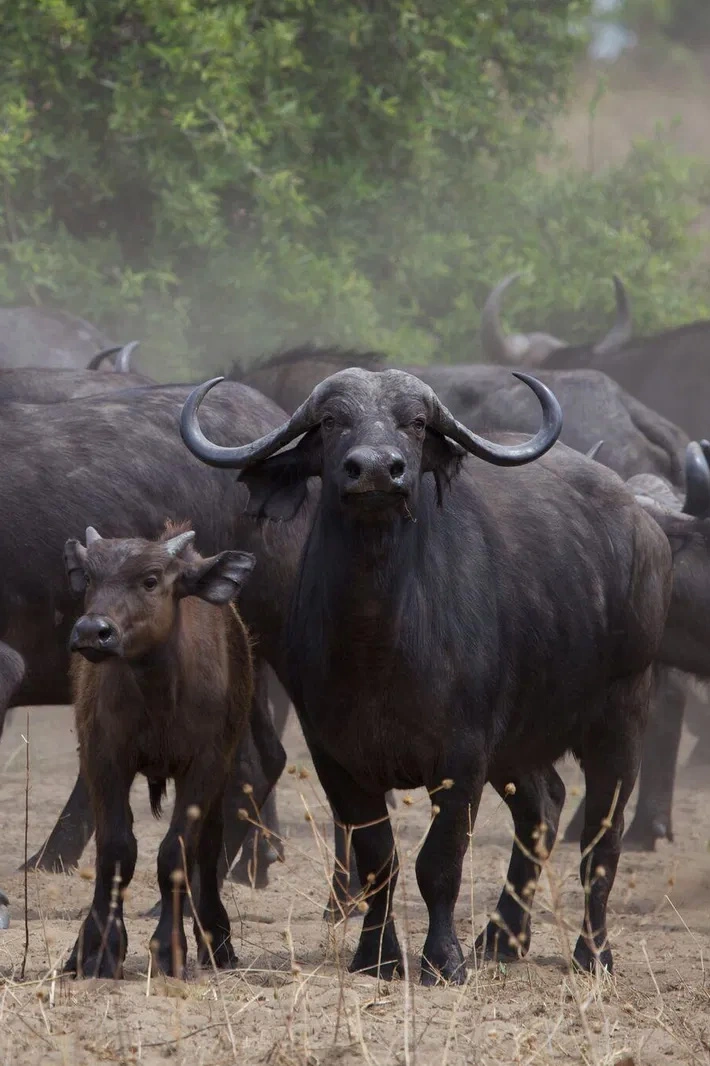
Photograph buffaloes, elephants, giraffes and other wildlife against Katavi’s broad floodplains and remote Western Tanzania landscapes.
Low visitor density provides more freedom to study animal behaviour, consider backgrounds and wait for stronger photographic moments.
Two complementary parks
Combining these parks provides two distinctive photographic environments within a single Tanzania fly-in safari.
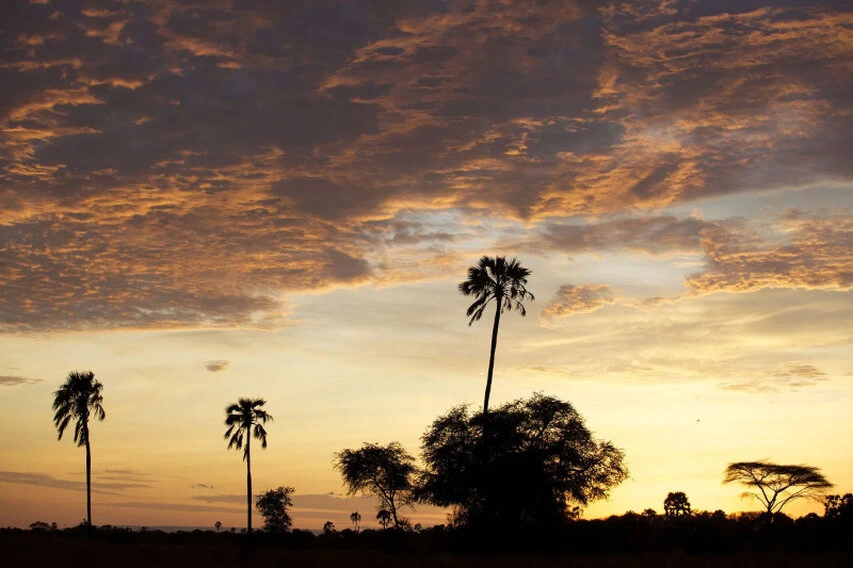
A Ruaha photographic safari is shaped by warm light, baobab-dotted hills, the Great Ruaha River and exceptional predator habitat. It is one of Tanzania’s strongest destinations for environmental wildlife photography.
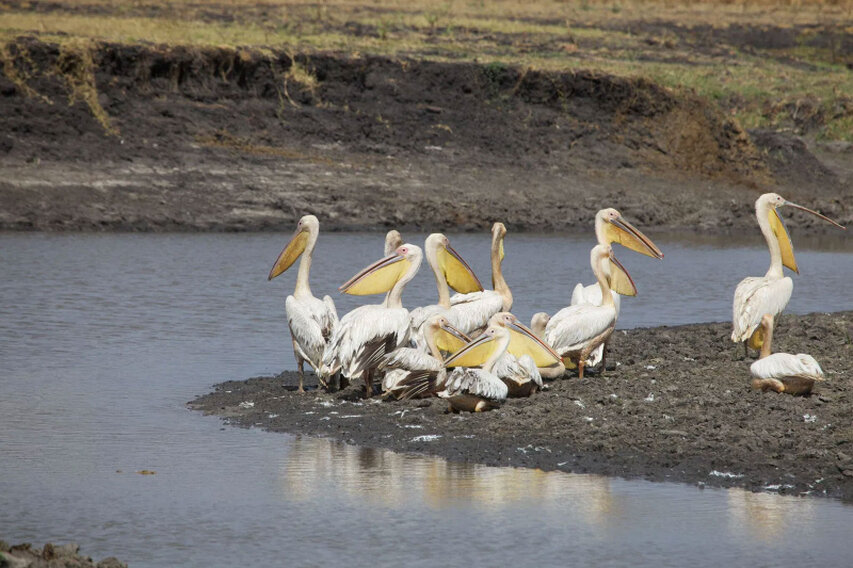
A Katavi photographic safari offers extensive floodplains, hippo concentrations, crocodiles and large buffalo herds in one of Africa’s least-visited national parks.
Day by day
Scheduled bush flights connect Dar es Salaam, Ruaha and Katavi, reducing road travel and maximising time for photography in the parks.
Fly from Dar es Salaam to Ruaha National Park and begin with an afternoon game drive among ancient baobabs, granite hills and the landscapes of the Great Ruaha River.
Explore Ruaha’s varied habitats in search of elephants, lions, leopards, cheetahs, buffaloes and African wild dogs. The route is adapted to wildlife activity and light.
Revisit productive areas and follow changing animal behaviour. A second day allows more time to work with Ruaha’s baobabs, predators and environmental compositions.
After a final morning in Ruaha, take the scheduled bush flight to Katavi. Begin exploring its floodplains, woodland and remote wilderness during the afternoon.
Search for buffalo herds, hippos, crocodiles, elephants and predators. Katavi’s low visitor density creates an unusually private wildlife photography experience.
Explore different parts of Katavi according to current wildlife movements. Work with its floodplains, open landscapes and the scale of one of Tanzania’s most isolated national parks.
Depending on the flight schedule, enjoy a final morning safari before returning by scheduled flight to Dar es Salaam.
Price: USD 6,300 per person for a group of four guests on a sharing basis. USD 7,730 per person for a group of two guests on a sharing basis. The single tent supplement is USD 620 per person.
Accommodation
Two carefully positioned wilderness bases keep the landscape, wildlife and photographic opportunities close throughout the journey.
Ruaha National Park · Southern Tanzania
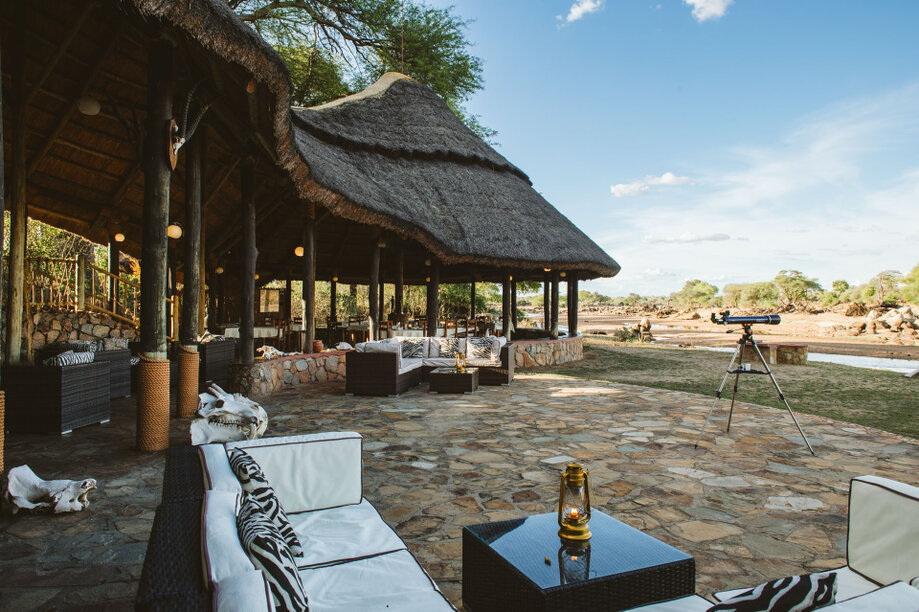
A riverfront photographic safari base in the wild heart of Ruaha National Park. Set along the Great Ruaha River, the lodge keeps riverbeds, baobabs, elephants, birds, predators, dry light and wide wilderness views close to the experience.
Katavi National Park · Western Tanzania
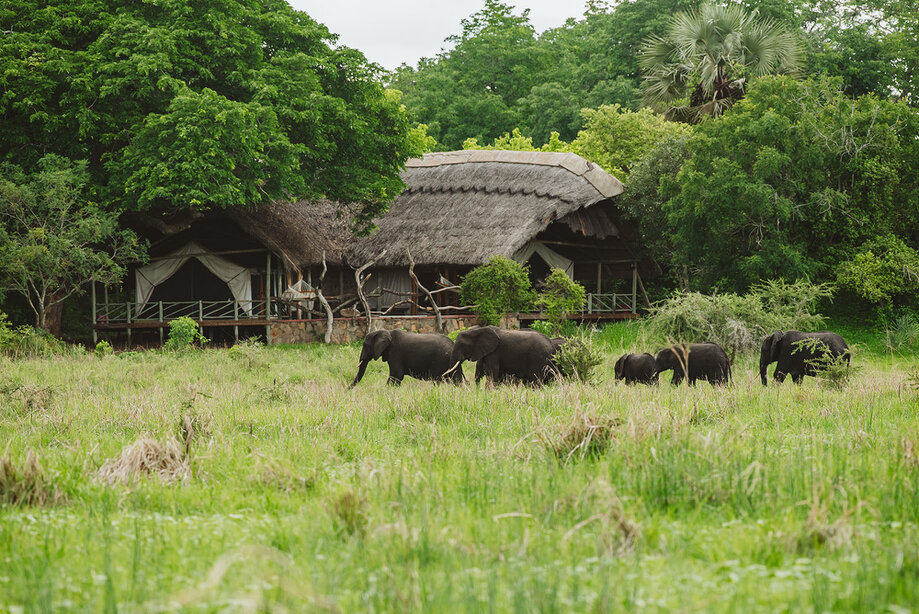
A remote photographic safari base on the edge of the Kitasunga Plain and Katuma River system, surrounded by open plains, Miombo woodland, buffalo herds, hippo pools, crocodiles, elephants and exceptionally quiet horizons.
Seasonal context
A Ruaha and Katavi photographic safari in June takes place at the beginning of the dry season, when vegetation starts to open and wildlife becomes increasingly associated with rivers, floodplains and permanent water sources.
The landscape generally retains more colour and texture than during the late dry season, while visibility and access improve as seasonal rains recede.
For photographers, June offers a strong balance of comfortable conditions, improving wildlife concentrations, textured backgrounds and comparatively low visitor numbers.
Photographer-led
Gabriel Haering personally accompanies the Ruaha and Katavi photographic safari and provides practical support according to each participant’s experience, equipment and objectives.
Guidance may include camera settings, autofocus, exposure, composition, anticipation of behaviour and the use of landscapes and backgrounds to create stronger wildlife images.
When the programme permits, informal image reviews help participants identify successful approaches and prepare for the next photographic situations.
Included photographic workshop
The Ruaha and Katavi photographic safari includes a practical photography workshop designed around the real situations we encounter in the field.
Before travelling, participants receive practical guidance on photographic equipment, camera preparation, memory cards, batteries, backup systems and useful safari accessories.
Guidance is adapted to the light, animal behaviour and photographic situations encountered in Ruaha and Katavi. When time permits, we also review selected images together.
Depending on the interests of the participants, discussions may include image selection, RAW workflow, natural post-production and the development of a coherent photographic story.
The workshop is not a separate classroom course. It follows the rhythm of the safari and uses real photographs and wildlife encounters as the basis for practical improvement.
Practical details
Prices: USD 6,300 per person for a group of four guests on a sharing basis. USD 7,730 per person for a group of two guests on a sharing basis. The single tent supplement is USD 620 per person. Prices are based on the national park fees, government taxes, concession fees, internal flight costs and exchange rates available at publication. Later official increases may be added to the final quotation.
Is this for you?
This fly-in photographic safari is designed for photographers and wildlife enthusiasts who value wilderness, very low visitor density and the freedom to spend more time observing animal behaviour.
You are attracted to remote Tanzania and parks where wildlife encounters may unfold without several vehicles gathering at the same sighting.
You prefer a slower photographic rhythm based on behaviour, backgrounds, composition and changing light rather than simply collecting species.
You appreciate baobabs, rivers, floodplains and open horizons as essential parts of the wildlife story.
Frequently asked questions
The published departure is scheduled for 3–10 June 2027. The exact duration and internal flight schedule should be reconfirmed before booking.
Ruaha offers baobabs, the Great Ruaha River, elephants and excellent predator photography. Katavi adds buffalo herds, hippo pools, crocodiles, floodplains and one of Tanzania’s most remote wilderness environments.
Yes. Scheduled bush flights connect Dar es Salaam, Ruaha and Katavi, avoiding long road transfers and preserving more time for wildlife photography.
The safari runs with a minimum of two guests and a maximum of four guests. This keeps the group small while maintaining enough flexibility for personal photographic guidance.
The price is USD 6,300 per person for a group of four guests on a sharing basis. For a group of two guests, the price is USD 7,730 per person on a sharing basis. The single tent supplement is USD 620 per person.
A Ruaha photographic safari offers opportunities to photograph elephants, lions, leopards, cheetahs, buffaloes, giraffes and African wild dogs within landscapes shaped by baobabs, rocky hills and the Great Ruaha River. All sightings remain natural and cannot be guaranteed.
A Katavi photographic safari may offer buffalo herds, hippos, crocodiles, elephants, giraffes, predators and birdlife within extensive floodplains and a particularly remote wilderness environment.
No. Guidance is adapted to each participant’s experience, camera system and photographic goals. The safari suits committed beginners and experienced photographers.
A flexible telephoto zoom is useful for mammals and birds, while a shorter lens helps photograph baobabs, floodplains and wildlife within the wider landscape. Confirmed guests receive practical equipment guidance before departure.