Rufiji River photography
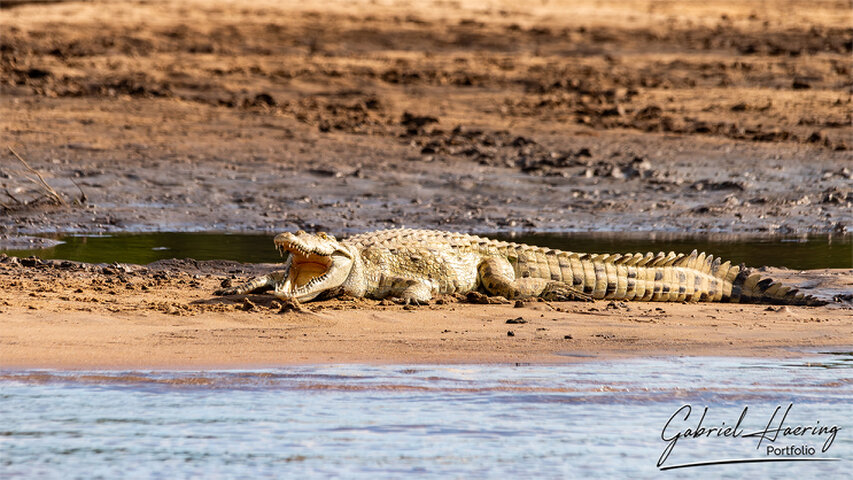
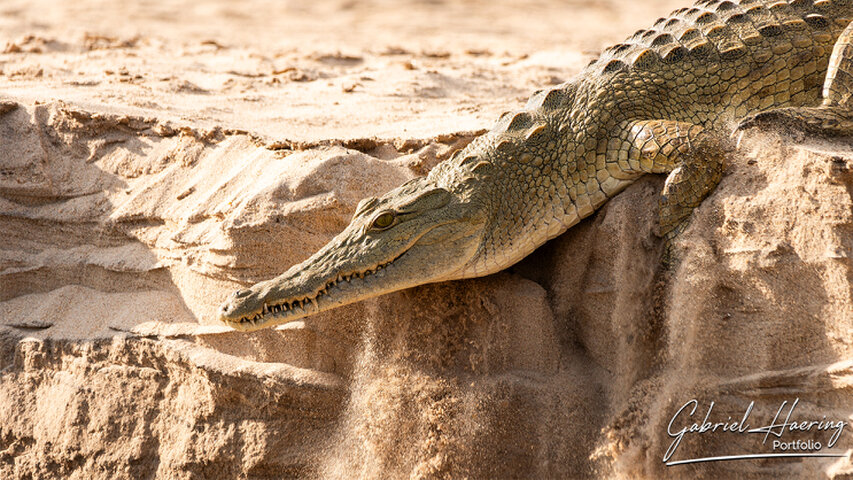
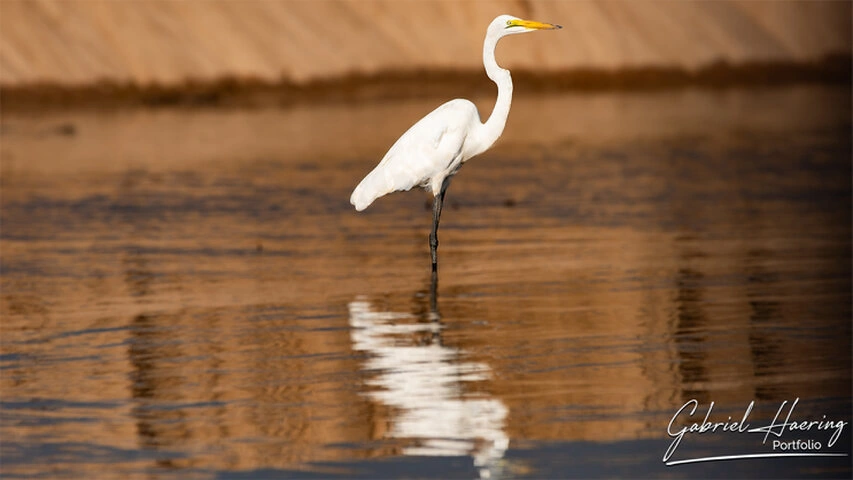
Photograph hippos, crocodiles, elephants, waterbirds and river landscapes, using reflections and low seasonal light to create environmental wildlife images.
Southern Tanzania · November 2027
A 7-day photographer-led fly-in safari through Nyerere and Ruaha, with three nights in Nyerere National Park and three nights in Ruaha National Park, combining the Rufiji River, abundant birdlife, predators, elephants, baobabs and the remote wilderness of Southern Tanzania.
Southern Tanzania photographic safari
Nyerere National Park and Ruaha National Park form one of Southern Tanzania’s most rewarding combinations for wildlife photographers who value space, changing landscapes and time to observe natural behaviour.
This 7-day / 6-night fly-in safari includes three nights in Nyerere and three nights in Ruaha. It starts in Dar es Salaam on 14 November 2027 and returns to Dar es Salaam on 20 November 2027.
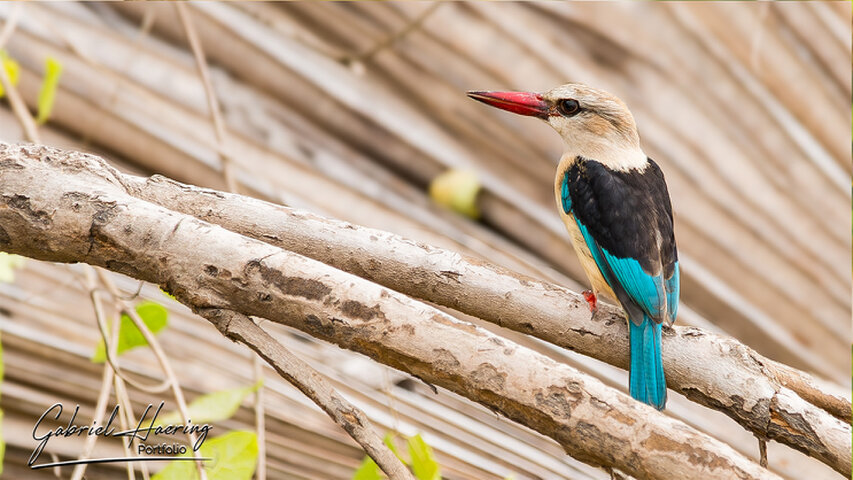
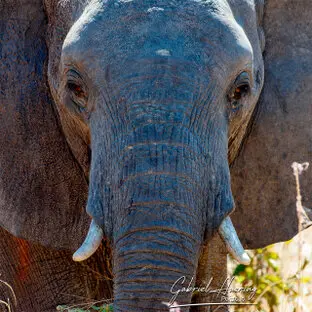
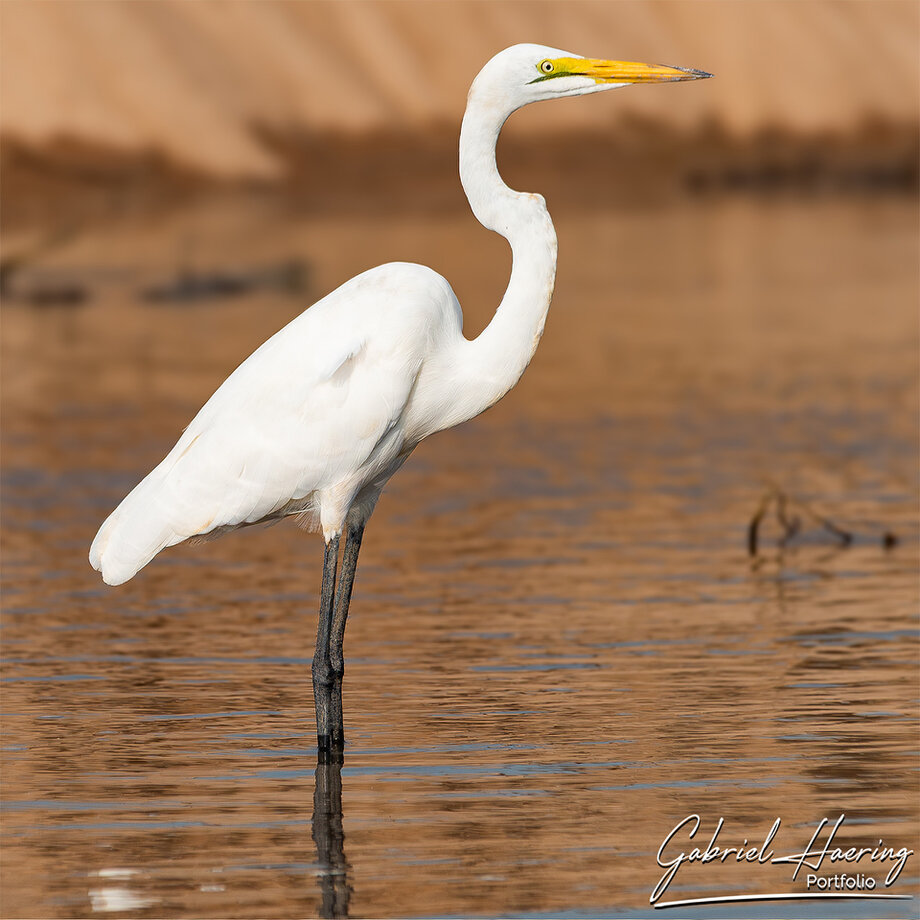
Nyerere is shaped by the Rufiji River, with channels, floodplains, lakes and woodland creating opportunities to photograph elephants, hippos, crocodiles, kingfishers, fish eagles and a remarkable variety of waterbirds.
Ruaha offers a contrasting photographic environment of baobabs, rocky hills, seasonal rivers and open savannah. Its elephants, lion prides, leopards and African wild dogs make it one of Tanzania’s strongest destinations for predator and wilderness photography.
Scheduled internal flights connect Dar es Salaam, Nyerere and Ruaha, avoiding long road transfers and preserving more time for wildlife photography in the field.
Photographic focus
This Nyerere and Ruaha photographic safari is designed around behaviour, atmosphere and visual variety rather than a rushed checklist of species.
Photograph hippos, crocodiles, elephants, waterbirds and river landscapes, using reflections and low seasonal light to create environmental wildlife images.
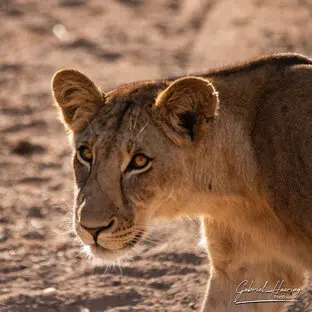
Work patiently with lions, leopards and, when nature allows, African wild dogs within Ruaha’s baobab woodland, riverbeds and open savannah.
Lower visitor density creates more time to study behaviour, consider backgrounds and wait for stronger photographic moments.
Two complementary ecosystems
Combining the two parks provides greater variety than concentrating the entire safari in a single ecosystem.
Nyerere’s photographic character is defined by water. The Rufiji River, channels, floodplains and woodland offer layered backgrounds, reflections and close connections between wildlife and habitat.
Ruaha has a more rugged visual identity. Ancient baobabs, dry riverbeds, rocky hills and open country create strong environmental settings for elephants and predators.
Day by day
The itinerary uses scheduled internal flights to connect Dar es Salaam, Nyerere and Ruaha, reducing road travel and maximising photographic time. The safari includes three nights in Nyerere National Park and three nights in Ruaha National Park.
Depart from Dar es Salaam by scheduled flight to Nyerere National Park. After arrival and transfer to the lodge, begin the Southern Tanzania photographic safari with an afternoon game drive in the Rufiji River ecosystem.
Explore riverine woodland, floodplains, lakes and channels, concentrating on elephants, hippos, crocodiles, birdlife and wildlife associated with the Rufiji River. Depending on the programme and local conditions, the Nyerere game package may include walking safaris, boat safaris or vehicle safaris.
A second full day in Nyerere allows more time to follow wildlife activity, return to productive areas and work with the light, reflections and birdlife of the Rufiji River environment. Boat safaris are subject to water levels in the Rufiji River.
After three nights in Nyerere, fly to Ruaha National Park. The landscape changes dramatically, with baobabs, rocky hills, seasonal rivers and open savannah becoming the visual setting for the next part of the safari.
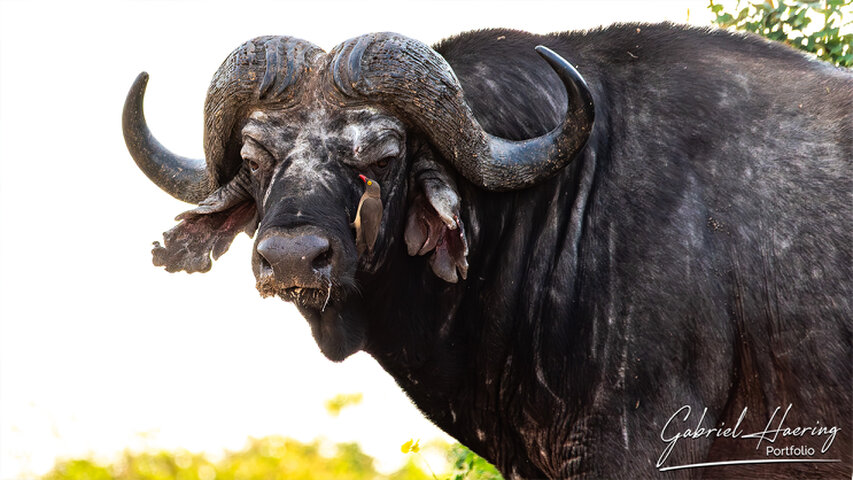
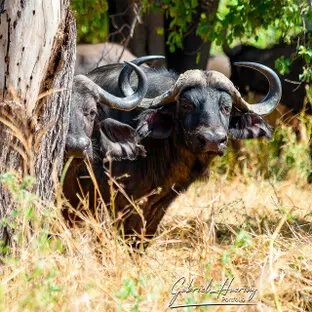
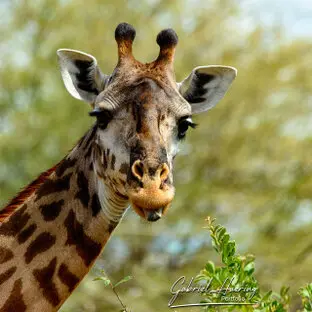
Search for elephants, lions, leopards, giraffes, buffaloes and African wild dogs while working with Ruaha’s distinctive landscapes and warm seasonal light.
A second full day in Ruaha gives time to follow the latest wildlife activity and spend longer at promising sightings. The photographic rhythm prioritises behaviour, composition and atmosphere over covering distance.
When flight schedules permit, enjoy a final morning safari before the scheduled flight from Ruaha National Park back to Dar es Salaam.
Price: USD 5,800 per person for a group of four guests, based on two guests per tent. USD 7,300 per person for a group of two guests, based on two guests per tent. The single-room supplement is USD 620 per person.
Accommodation
The safari uses two established lodges whose settings remain part of the photographic experience: the Rufiji River in Nyerere and the Great Ruaha River in Ruaha.
Nyerere National Park · Rufiji River
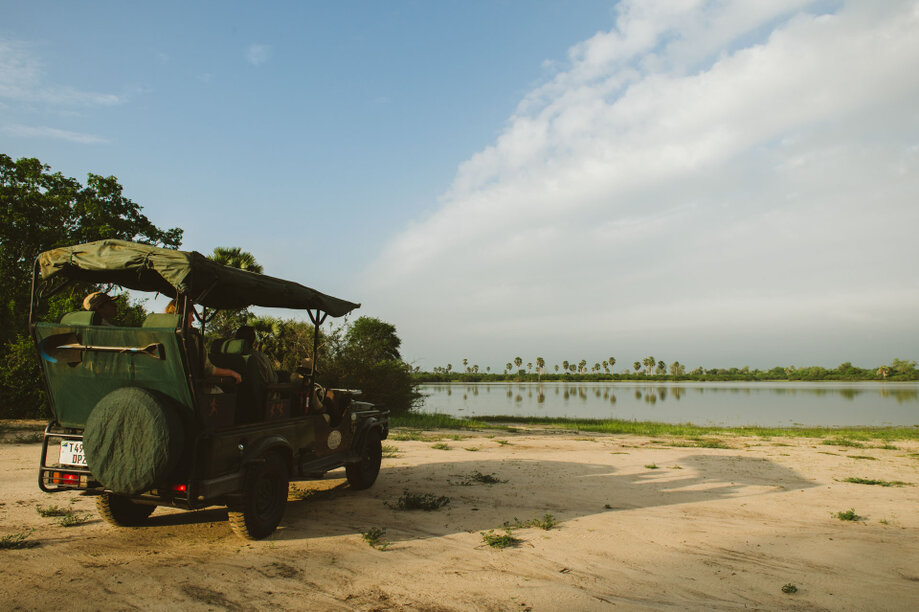
Set above the Great Rufiji River, the camp brings photographers directly into the atmosphere that makes Nyerere special: water, reflections, hippos, crocodiles, elephants, birds, river light and the quiet rhythm of a vast wilderness.
Ruaha National Park · Southern Tanzania
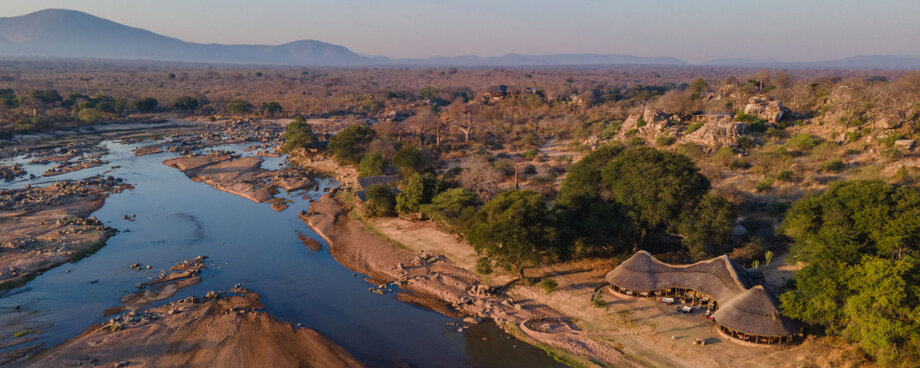
Set along the Great Ruaha River, the lodge is part of the photographic experience itself: riverbeds, baobabs, elephants, birds, predators, dry light, wide views and the feeling of being deeply inside one of Tanzania’s most atmospheric wilderness areas.
Seasonal context
November brings lower visitor numbers, atmospheric light and the first seasonal changes after Southern Tanzania’s long dry period.
Wildlife may still be associated with rivers, lakes and permanent water sources, while changing vegetation and early seasonal weather can produce softer backgrounds, dramatic skies and fresh colour.
For photographers, this transitional period offers a strong balance between wildlife encounters, bird photography, landscapes and a quieter experience at sightings.
Photographer-led
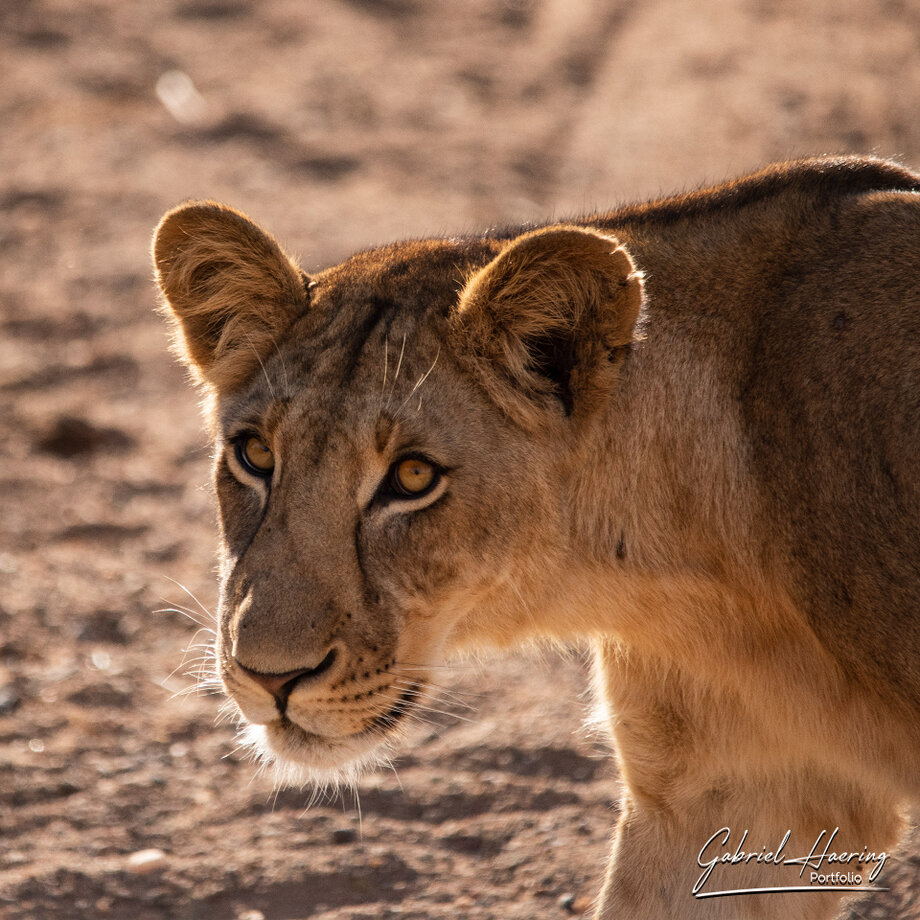
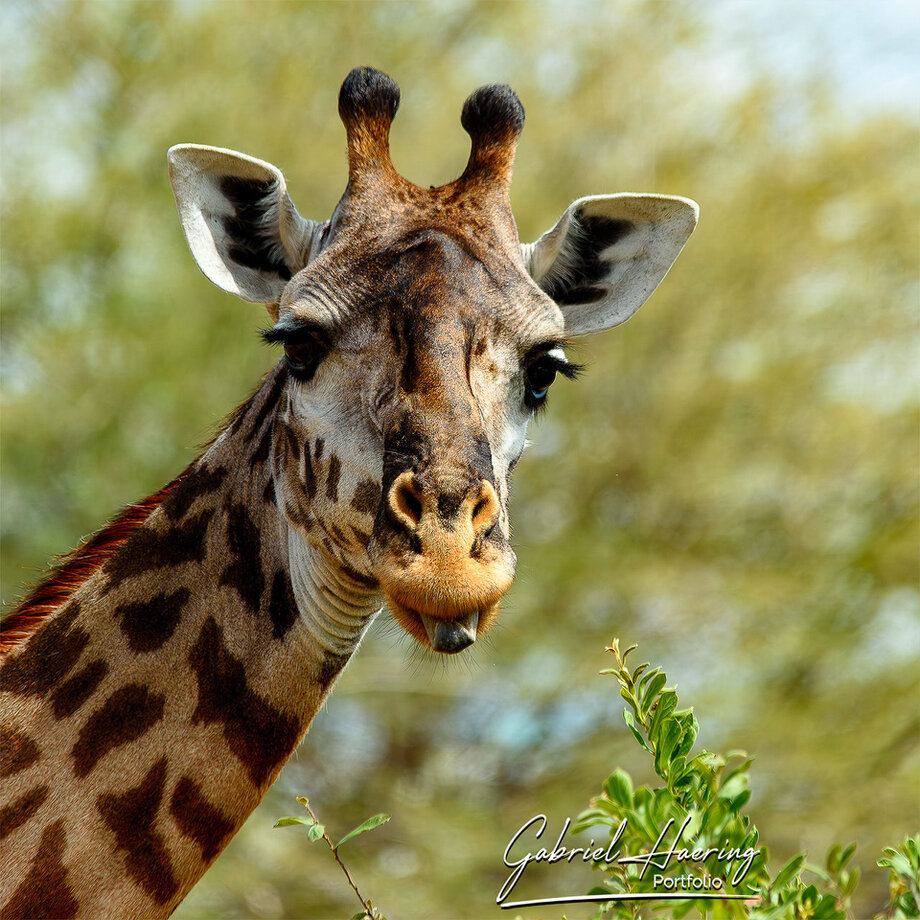
Gabriel Haering personally accompanies the Nyerere and Ruaha photographic safari and provides practical support according to each participant’s experience, equipment and objectives.
Guidance may include camera settings, autofocus, exposure, composition, anticipation of behaviour and the use of backgrounds to create stronger wildlife photographs.
When the programme allows, informal image reviews help identify successful approaches and prepare for the next photographic situations.
Practical details
*Boat safaris in Nyerere are subject to water levels in the Rufiji River.
Prices: USD 5,800 per person for a group of four guests, based on two guests per tent. USD 7,300 per person for a group of two guests, based on two guests per tent. The single-room supplement is USD 620 per person. Prices are based on the national park fees, government taxes, concession fees, internal flight costs and exchange rates available at publication. Later official increases may be added to the final quotation.
Is this for you?
This fly-in photographic safari is designed for photographers and wildlife enthusiasts who want to discover Southern Tanzania through two complementary and comparatively quiet national parks.
You want to photograph both the Rufiji River ecosystem and Ruaha’s rugged baobab wilderness within one journey.
You prefer a slower photographic rhythm based on animal behaviour, composition and light rather than a species checklist.
You are attracted to remote landscapes, lower visitor density and the atmosphere of Southern Tanzania’s less-travelled parks.
Frequently asked questions
The published departure is scheduled from 14 to 20 November 2027. The safari departs from Dar es Salaam, includes three nights in Nyerere National Park and three nights in Ruaha National Park, and returns to Dar es Salaam on 20 November 2027.
The safari lasts 7 days and 6 nights: three nights in Nyerere National Park and three nights in Ruaha National Park.
Nyerere offers the Rufiji River, floodplains, hippos, crocodiles and exceptional birdlife. Ruaha adds baobabs, large elephant populations, lion prides and a rugged wilderness atmosphere. Together they provide two very different styles of Southern Tanzania wildlife photography.
In Nyerere National Park, the game package includes walking safaris, boat safaris or vehicle safaris, depending on the programme and local conditions. Boat safaris are subject to water levels in the Rufiji River.
Yes. Scheduled internal flights connect Dar es Salaam, Nyerere and Ruaha, reducing long road transfers and preserving more time for photography in the parks.
The safari runs with a minimum of two guests and a maximum of four guests. This keeps the group small while maintaining enough flexibility for personal photographic guidance.
The price is USD 5,800 per person for a group of four guests, based on two guests per tent. For a group of two guests, the price is USD 7,300 per person, also based on two guests per tent. The single-room supplement is USD 620 per person.
Yes. Nyerere is particularly rewarding for waterbirds, kingfishers and fish eagles, while Ruaha offers a wide variety of woodland and savannah species. November can provide strong bird-photography opportunities.
African wild dogs occur in the wider Ruaha ecosystem, but sightings are natural and cannot be guaranteed. The same applies to all predators and specific wildlife behaviour.
No. Guidance is adapted to each participant’s experience, camera system and photographic goals. The journey is suitable for committed beginners and experienced wildlife photographers.
A flexible telephoto zoom is useful for wildlife and birds, while a shorter lens helps photograph river landscapes, baobabs and animals within their environment. Confirmed guests receive practical equipment guidance before departure.