Northern Tanzania Dry-Season Safari Report: Tarangire, Ngorongoro and Grumeti
A June journey through elephant country, the Ngorongoro highlands and the quieter western Serengeti: a personal story about dry-season light, changing landscapes and the value of allowing a classic route to unfold without rushing.
This page documents a completed journey and the conditions experienced during June. Tailor-made itineraries, current travel arrangements and enquiry options are presented on the dedicated bespoke Tanzania safari page .
The dry season before the busiest months
June is one of the months I enjoy most in northern Tanzania. The dry season has settled in, the air feels clearer and vegetation begins to open, making wildlife easier to observe within the landscape.
Animals gradually become more predictable around water and feeding areas, yet June still falls before the busiest part of the safari season. There is often more space, greater calm and less pressure to move quickly from one sighting to another.
This journey followed a classic route through Tarangire National Park, the Ngorongoro Crater and Conservation Area, and the Serengeti’s Grumeti region. The guests then continued to Zanzibar, exchanging the dry landscapes of the interior for the Indian Ocean.
Although the route is well known, timing and pace changed the quality of the experience. The journey was not about collecting sightings. It was about staying present long enough for wildlife, light and setting to come together.
The route through northern Tanzania
The original Google map follows the journey through Tarangire, the Ngorongoro highlands and the Grumeti region before the guests continued to Zanzibar.
Dust, elephants and the presence of baobabs
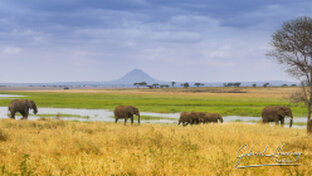
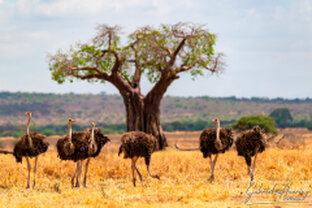
Tarangire immediately showed the most atmospheric side of the early dry season. The light was warm, the tracks were dusty and great baobabs stood above the landscape with the quiet authority that gives this park its unmistakable character.
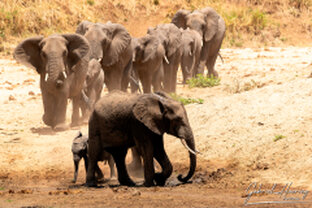
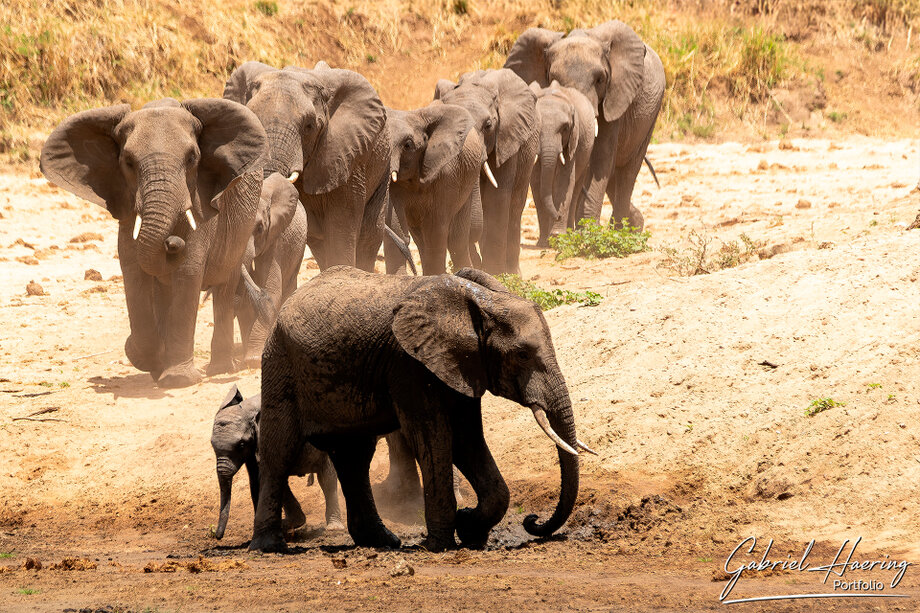
Elephants shaped the rhythm of our days. In Tarangire, an elephant encounter is rarely only about the number of animals. What remains in the memory is the way families move through the bush with calm purpose.
Dry-season dust added another visual layer. When illuminated by low light, it transformed simple movement into atmosphere, separating the elephants from the background and revealing the warmth of the landscape.
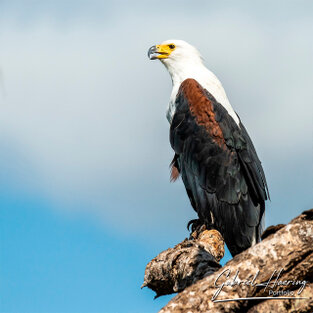
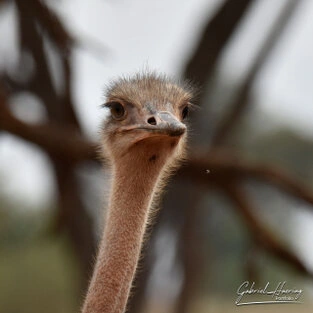
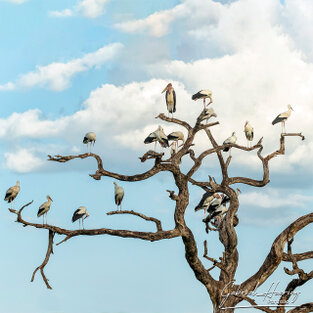
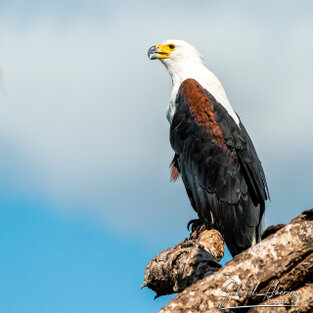
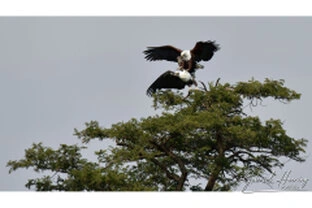
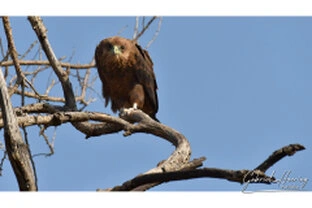
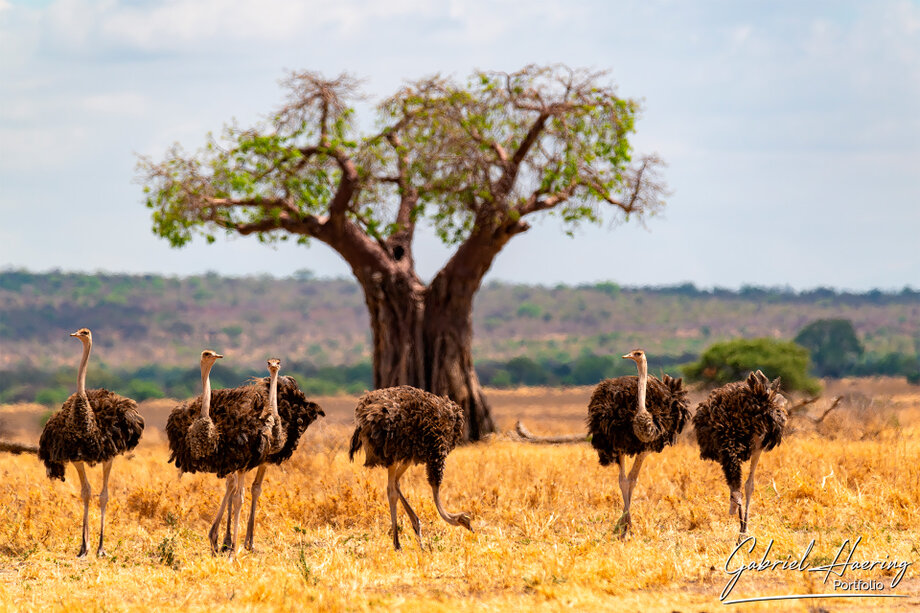
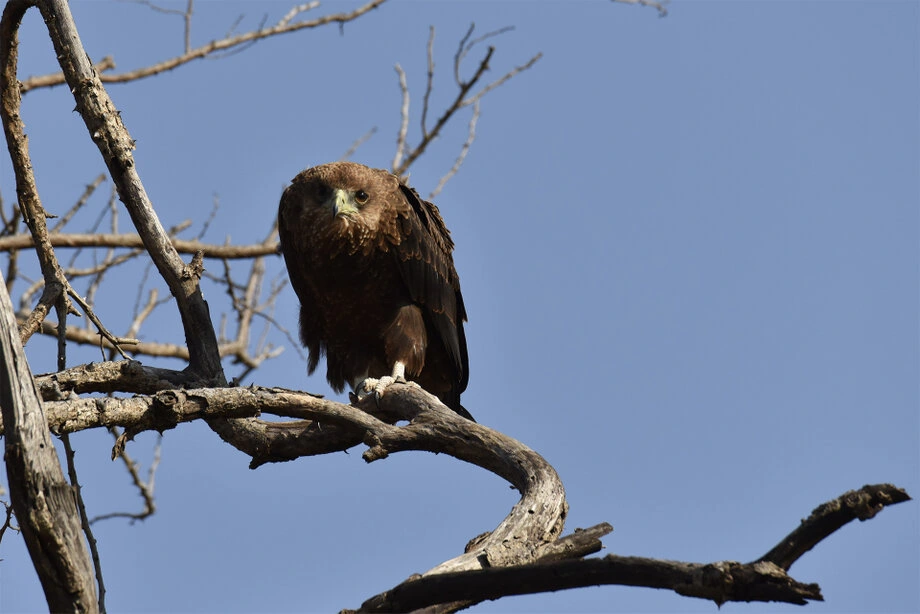
Ostriches crossed open country, eagles watched from exposed perches and antelope stood in clean morning light. These quieter subjects helped create a more complete account of the park than elephants alone could provide.
Tarangire set the tone without unnecessary drama: iconic wildlife, space, texture and enough time to look carefully.
Entering another world
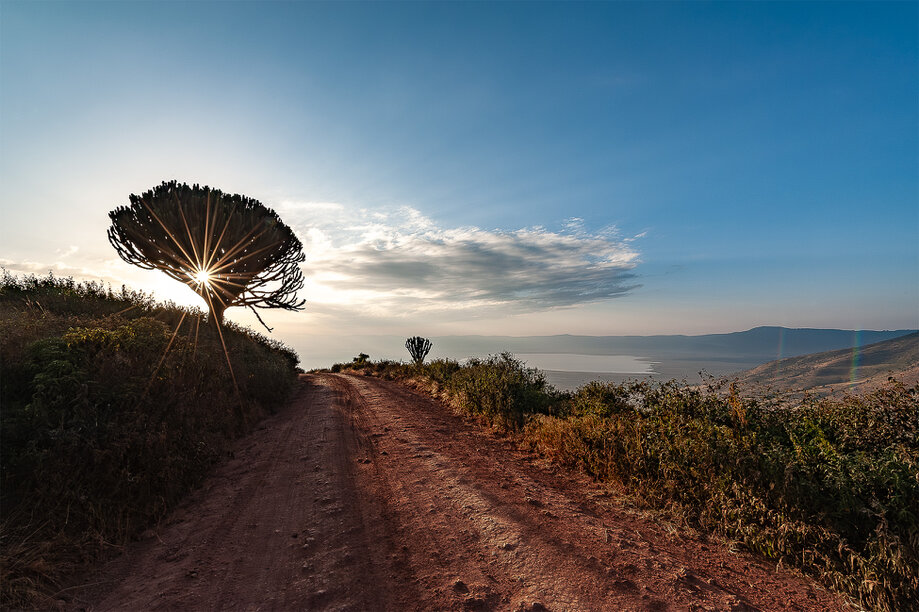
From Tarangire, we continued towards the Ngorongoro highlands. The landscape changed, the air became cooler and anticipation grew as we approached the crater rim.
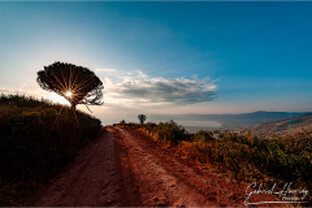
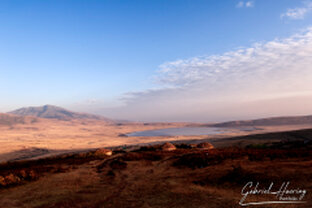
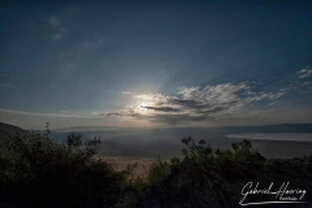
The first view into Ngorongoro remains extraordinary, however many times it is experienced. The crater opens beneath the rim like a self-contained world, combining grassland, wetlands, forest and distant movement within one immense natural amphitheatre.
Descending to the crater floor created another shift in rhythm. Wildlife felt concentrated, yet every sighting remained connected to the scale of the caldera.
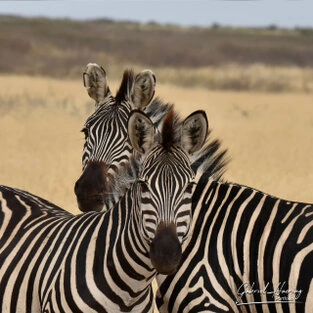
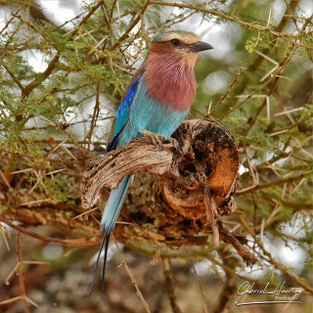
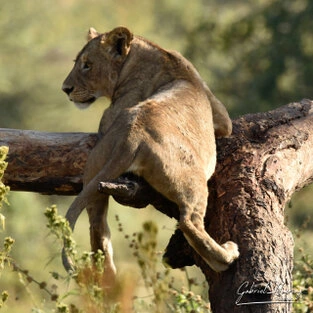
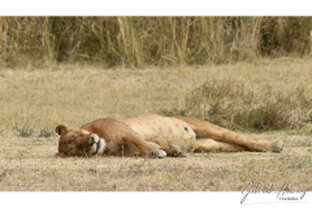
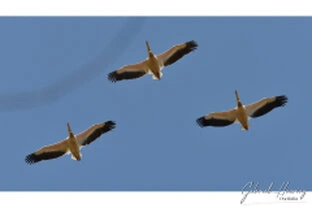
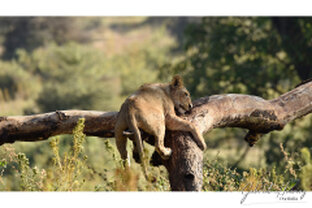
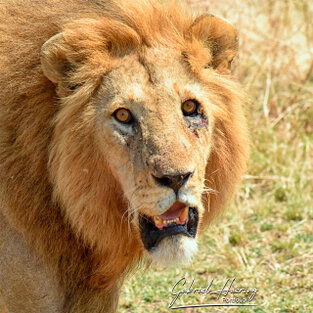
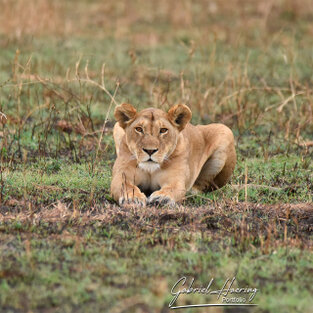
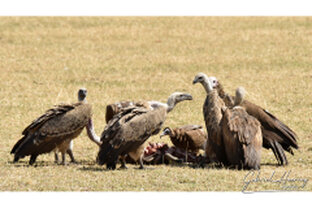
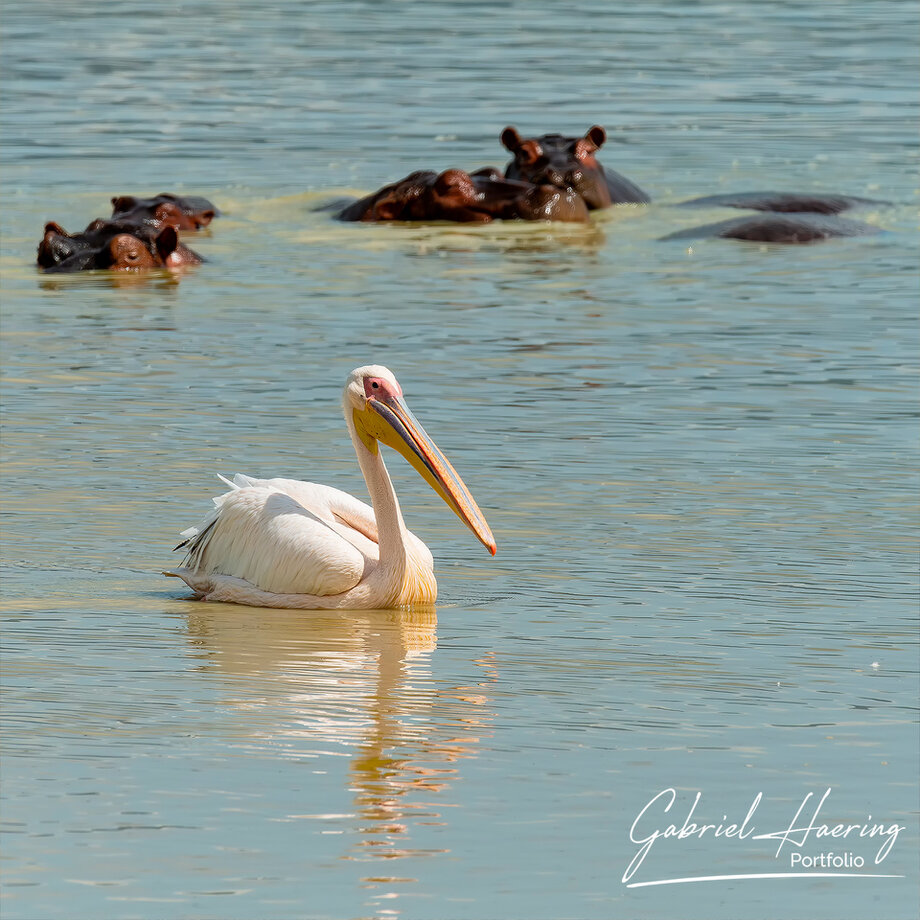
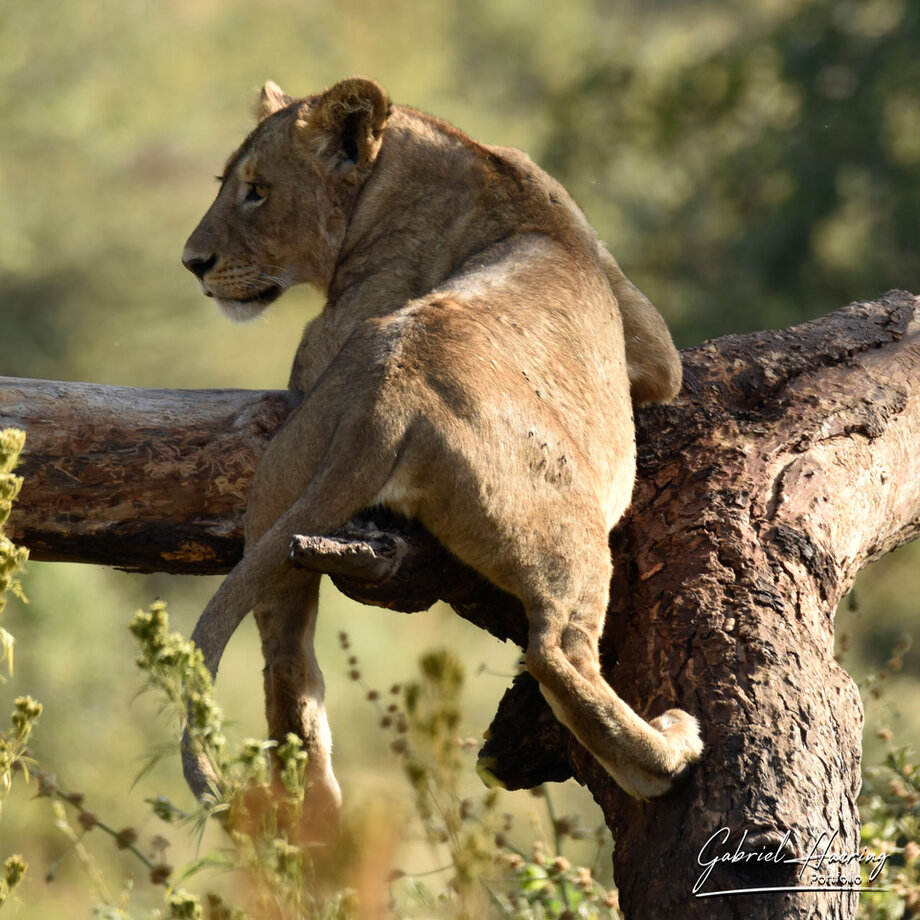
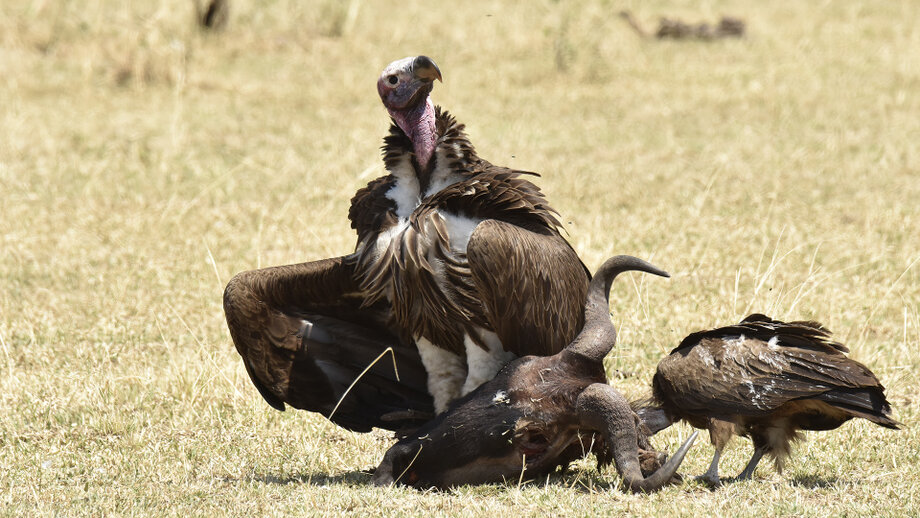
Lions, zebra, wildebeest and birds occupied a landscape that was already visually powerful before the first animal entered the frame. Ngorongoro is therefore not only about abundance, but about the relationship between subject and setting.
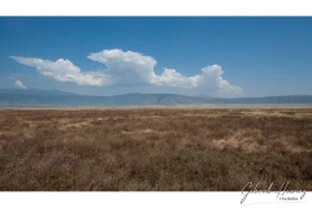
Beyond the crater, the wider Conservation Area offered more openness and a stronger feeling of moving through a living landscape. It became the natural bridge between Tarangire and the Serengeti.
The flight from Lake Manyara to Grumeti
The flight from Lake Manyara to Grumeti was more than a practical transfer. From the air, northern Tanzania revealed its scale and the route already travelled became part of a much larger geography.
This moment reset the journey. Tarangire and Ngorongoro belonged to one rhythm; landing in Grumeti began another. There were fewer vehicles, wider spaces and an immediate sense of entering a quieter part of the Serengeti.
For photography, that transition mattered. We arrived with our energy preserved and enough time to begin observing the landscape rather than recovering from a long overland transfer.
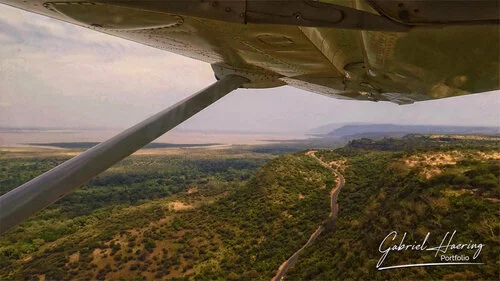
Tarangire and Ngorongoro belonged to one rhythm. Landing in Grumeti began another.Field notes · Northern Tanzania
A quieter Serengeti
The Grumeti region offered the Serengeti landscapes many travellers imagine: rolling plains, riverine woodland and wide horizons. Its greatest luxury, however, was time.
There was time to observe behaviour, wait for the light to improve and reconsider a scene from different positions. Instead of accepting the first available photograph and moving on, we could remain with wildlife as an encounter developed.
This slower rhythm benefited photographers and non-photographers alike. It replaced the pressure to continually search for something new with the opportunity to become fully present in what was already happening.
Grumeti was therefore not only about game viewing. It was about atmosphere: the sensation of being removed from busier safari circuits and rediscovering what the Serengeti feels like when there is room to breathe.
By the end of the stay, that quiet and spacious quality had become one of the strongest memories of the entire journey.
From the bush to the Indian Ocean
After the final days in the Serengeti, the guests flew to Zanzibar. The transition from an immersive safari to time at the coast created a natural change of pace.
Tanzania is one of the places where this combination feels particularly coherent. The intensity of wildlife observation gives way to the ocean, while the variety of the country becomes part of the journey’s final memory.
The coast was not treated as another safari chapter, but as space to slow down after days structured around early starts, changing light and wildlife behaviour.
How each destination changed the photographs
The route worked because each destination introduced a different landscape, visual rhythm and way of observing wildlife.
Dust, elephants and baobabs
Tarangire gave the beginning of the journey texture, warmth and an immediately recognisable landscape.
- Elephant families moving through open country
- Baobabs as strong environmental elements
- Dust illuminated by low directional light
- Birds, antelope and wide compositions
Abundance within an immense caldera
Ngorongoro combined concentrated wildlife with one of Tanzania’s most imposing natural settings.
- Crater walls providing geographical scale
- Grasslands, wetlands and forest margins
- Lions, zebra, wildebeest and birdlife
- Wildlife inside a natural amphitheatre
Time, space and a quieter Serengeti
Grumeti concluded the safari with wide horizons and enough time for sightings to develop naturally.
- Rolling plains and riverine woodland
- Fewer vehicles and visual distractions
- More time to observe natural behaviour
- Classic scenery at a calmer tempo
Why the timing shaped the experience
June provided many of the visual advantages of the dry season while retaining a calmer atmosphere than the peak months that followed.
Opening vegetation
As grasses and vegetation became drier, wildlife was easier to observe and place clearly within the landscape.
Dry-season light
Clearer air, warm morning light and dust created atmospheric conditions, particularly in Tarangire.
Wildlife concentration
Animals increasingly used predictable water and feeding areas as seasonal conditions became drier.
A calmer rhythm
Travelling before the busiest period allowed more space, greater patience and less pressure around sightings.
A classic journey experienced differently
What I appreciated most about this journey was that it confirmed something I have felt for a long time: a classic northern Tanzania route can still feel personal when it is timed well, paced carefully and approached with patience.
June provided the visibility, warm light and increasing wildlife concentration associated with the dry season, but without the full pressure of the peak months.
The journey was not defined by how much distance we covered or how many sightings we accumulated. It was defined by the time available to experience Tarangire, Ngorongoro and Grumeti as distinct landscapes.
Even a classic safari route can feel deeply personal when there is enough time to let it unfold naturally.Gabriel Haering
This story can inspire a tailor-made journey
This report documents the season, atmosphere and photographic progression of one completed northern Tanzania journey. It shows how familiar parks can provide a quieter experience when timing, pace and transfers are considered carefully.
Current itineraries, accommodation, prices, travel dates, inclusions and enquiry options are kept on the dedicated safari pages. This prevents the report from duplicating or competing with commercial content.