Ruaha and Katavi Safari Report: Into Remote Western Tanzania
A fly-in journey from Ruaha’s baobab landscapes to the open plains and deep silence of Katavi: a personal story about wilderness, photography and the gradual disappearance of the familiar.
This page records the experience and photographic character of a completed journey. Current dates, availability, price, inclusions and booking information are available on the dedicated Ruaha and Katavi photographic safari page .
From the familiar world into a deeper wilderness
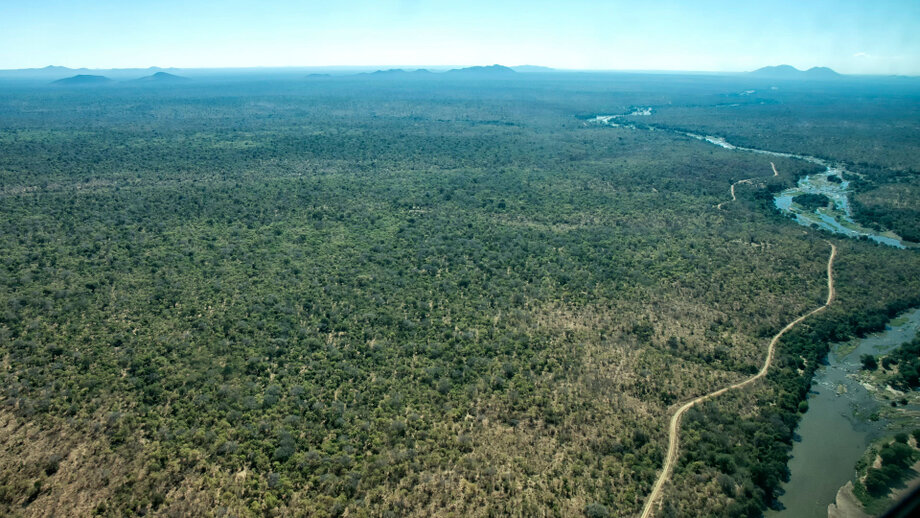
Some journeys begin with a long road transfer and only slowly find their rhythm. This one began differently. As the small aircraft left Dar es Salaam, the city fell away and the country opened beneath the wings.
Woodland, rivers and dry terrain gradually replaced roads and buildings. Before the first game drive had begun, the flight had already created a sense of distance from everyday life.
Ruaha introduced the story through scale, baobabs and rugged dry-country landscapes. Katavi then carried the journey farther west, into a broader, quieter and even less visited wilderness.
The value of combining these parks did not lie simply in visiting two destinations. It lay in the progression: from a powerful wilderness to one that felt increasingly remote, elemental and unscripted.
The route from Ruaha to Katavi
The original Google map shows the progression from Dar es Salaam to Ruaha and then west to Katavi. Travelling by light aircraft preserved time and energy for the parks themselves while making the changing scale of Tanzania visible from above.
From Dar es Salaam to Ruaha
One of the strengths of this route is how quickly it leaves the familiar behind. Instead of moving slowly towards the bush, the flight places the traveller above immense patterns of woodland, rivers and dry terrain.
The journey over southern Tanzania offers a first impression of the country’s scale. From the air, protected areas and sparsely inhabited landscapes appear as part of a much larger wilderness system.
By the time we reached Ruaha, the safari no longer felt like something that was waiting to begin. It had already started during the flight. We arrived with our energy preserved and our attention already focused on the landscape.
Baobabs, dry light and open wilderness
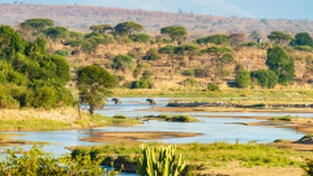
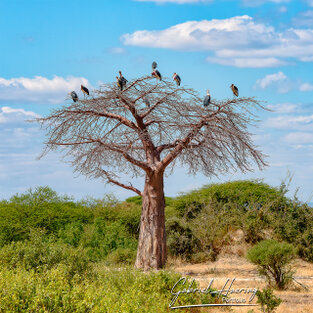
Ruaha has an immediate visual power. The land feels dry, wide and deeply textured, shaped by baobabs, rocky ground, riverbeds and open country extending towards distant hills.
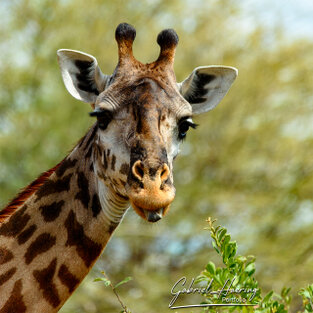
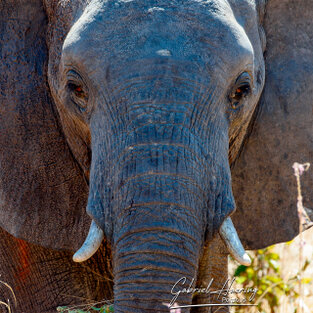
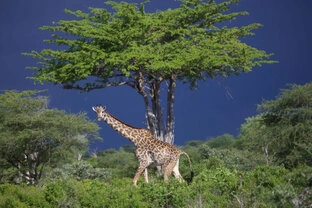
Elephants moved through baobab country with enormous presence. Giraffes stood against dry horizons, while quieter scenes gained strength from the landscape around them. Ruaha did not offer wildlife as something separate from the environment. The park itself was always part of the encounter.
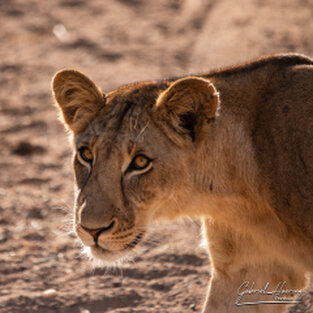
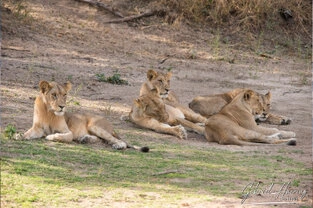
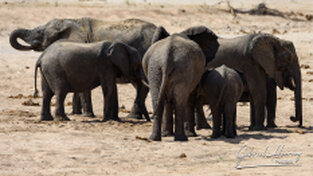
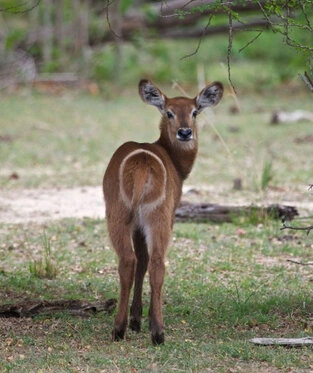
Photographically, this encouraged patience. Baobabs provided structure, dry riverbeds created visual lines and the harder light added drama to otherwise still scenes. A resting lion, a small group of elephants or a solitary antelope could become powerful when allowed enough space within the frame.
The low number of vehicles changed our experience in an equally important way. We could remain with a sighting, reconsider the composition and wait for light or behaviour to improve. Photography became more deliberate and less reactive.
Ruaha established the visual language of the first chapter: baobabs, textured land, dry light and wildlife appearing naturally within a large and recognisable environment.
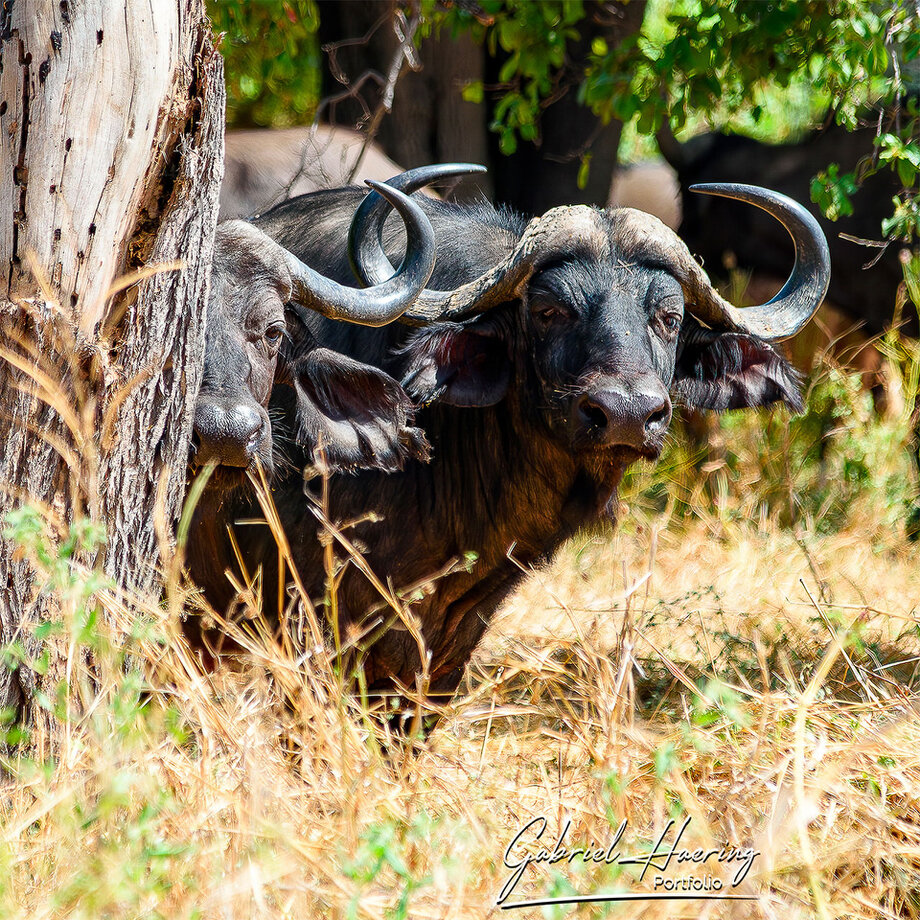
Ruaha gave the journey strength and visual structure. The flight to Katavi then carried it into a deeper silence.Field notes · Remote Tanzania
The flight from Ruaha to Katavi
The flight from Ruaha to Katavi felt like a continuation of the story rather than a simple transfer. As Ruaha disappeared behind us, the landscape seemed to widen and human presence became increasingly difficult to detect.
This route did not repeat itself. Ruaha had provided a powerful beginning, but Katavi changed the scale of solitude. From the air, western Tanzania appeared broad, sparsely inhabited and far removed from the country’s more familiar safari routes.
By the time we landed, the mood had shifted again. Ruaha had felt vast and rugged. Katavi felt still more isolated, elemental and quiet.
The second park would not simply extend the experience. It would deepen it.
Remote, powerful and unscripted
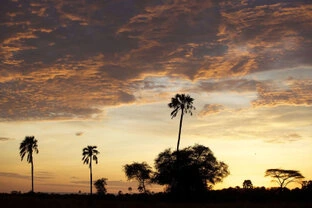
Katavi has a different presence from Ruaha. Where Ruaha feels sculptural and strongly defined by baobabs, Katavi often feels broader, flatter and more open to the horizon.
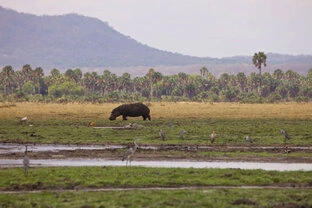
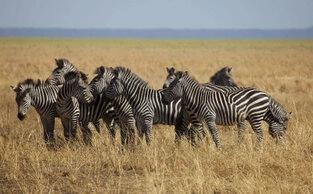
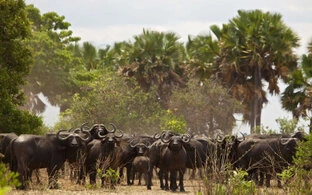
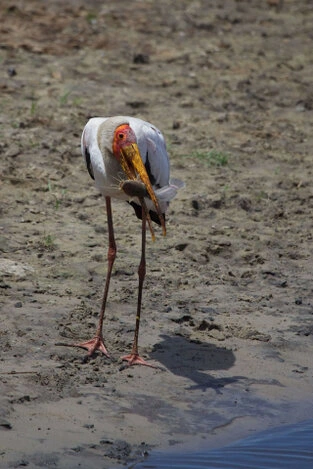
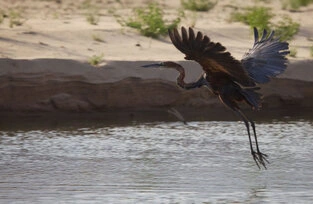
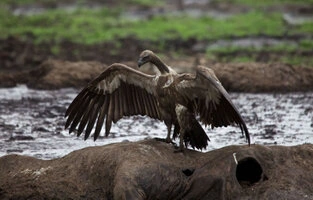
Seasonal waterways, plains, woodland margins and isolated lines of palms create a landscape that appears expansive without feeling empty. Wildlife occupies these spaces naturally, without the impression that scenes have been arranged for visitors.
What remained most strongly in my memory was the sensation of being far away from everything. There was no safari pressure, no crowding and very little visual interference. Each encounter felt quiet and self-contained.
That remoteness changed the photographs. There was space around the animals, space in the backgrounds and space within the frame. The mood of the environment could remain as important as the animal itself.
Katavi also felt unpredictable. The park never appeared staged or governed by a familiar sequence of sightings. Each drive unfolded differently, and that uncertainty reinforced the sense of entering a wilderness that still operated on its own terms.
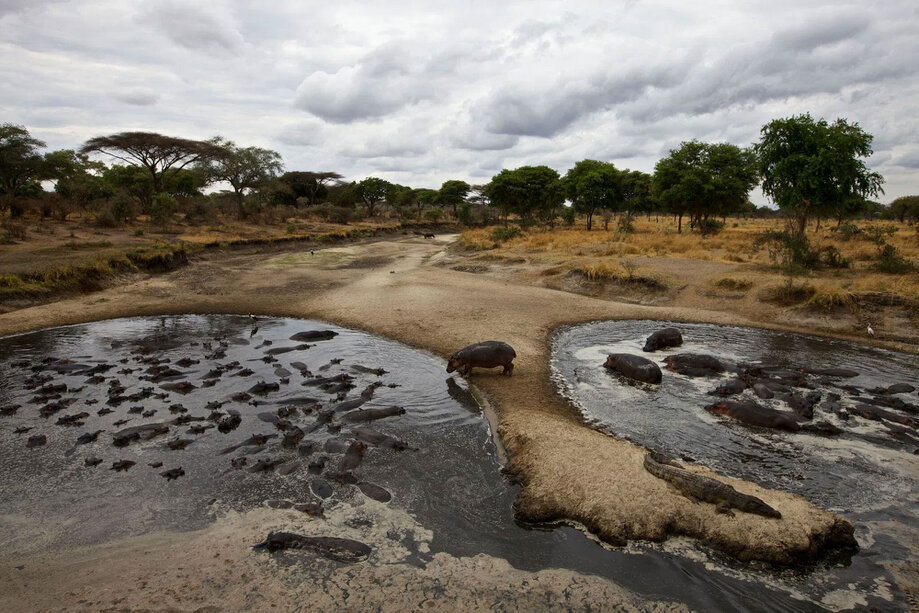
Why Ruaha and Katavi worked so well together
Both parks offered low-density wildlife experiences, yet each expressed remoteness through a different landscape and photographic language.
Rugged, sculptural and visually structured
Ruaha established the journey through strong landscapes, warm dry light and wildlife integrated with baobab country.
- Ancient baobabs and rocky terrain
- Dry riverbeds and strong compositional lines
- Elephants, giraffes and predators
- Dust and warm directional light
- A powerful and recognisable sense of place
Open, isolated and elemental
Katavi extended the experience into wider landscapes where solitude and unpredictability became part of every scene.
- Broad plains and seasonal waterways
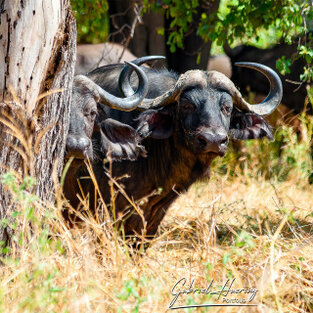
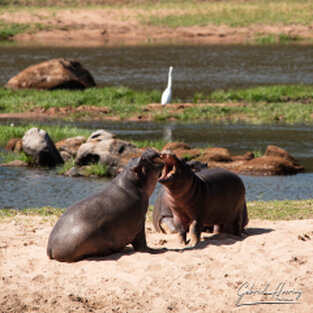
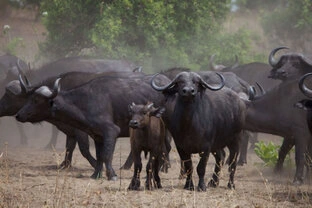
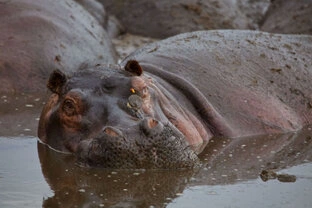
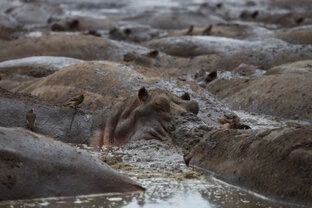
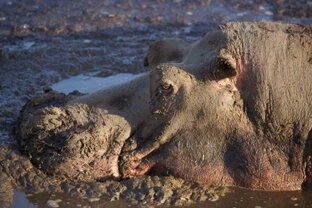
- Hippos, buffalo and remote wildlife encounters
- Open horizons and uncluttered backgrounds
- Very low visitor and vehicle density
- A profound feeling of distance and silence
What the journey revealed photographically
Remote parks reward a slower approach in which space, landscape and observation become as important as the individual sighting.
Let the landscape speak
Baobabs, plains, riverbeds and distant horizons provide meaning and geographical identity to wildlife photographs.
Use the available space
Remote parks make it possible to work with negative space, uncluttered backgrounds and animals shown within a wider environment.
Wait for behaviour
Low vehicle density allows more time to observe a subject and anticipate meaningful movement rather than continually searching for the next encounter.
Accept unpredictability
Katavi in particular rewards flexibility. Its strongest moments often emerge from situations that cannot be planned or repeated.
A journey that grew in depth
What made this journey memorable was not simply the wildlife, but the way the experience intensified from one stage to the next.
Ruaha opened the story with baobabs, dry-country beauty and a strong sense of visual drama. Katavi then carried it farther into silence and remoteness, into landscapes that felt less visited, less predictable and more elemental.
Together, the two parks created a safari defined by progression rather than repetition. Ruaha felt rugged and sculptural. Katavi felt open, distant and psychologically removed from the outside world.
The value of the journey was therefore not only what we saw. It was how the experience felt while we were living it: remote, grounded, spacious and increasingly unforgettable.
Ruaha introduced the wilderness. Katavi carried it into a deeper silence.Gabriel Haering
This report complements the current itinerary
This page documents the experience, atmosphere and photographic character of a completed journey through Ruaha and Katavi. It is intended to help readers understand how the two parks differ and why they form a coherent route.
Current departure dates, prices, availability, accommodation, inclusions, workshop information and enquiry options are deliberately kept on the dedicated safari page. This separation prevents the report from duplicating or competing with the commercial itinerary.