Great Migration Calving Season Report: A Northern Tanzania Field Story
A green-season journey through Tarangire, Ngorongoro, Ndutu and the central Serengeti: following changing landscapes, migration herds, newborn calves, predators and the emotional rhythm of a season in motion.
This page is an editorial report describing the experience and photographic character of the green and calving season. Current departure details, availability, price, inclusions and enquiries are available on the dedicated Great Migration calving season safari page .
When northern Tanzania becomes green again
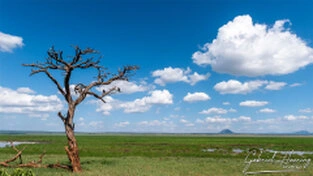
There is a particular feeling to northern Tanzania during the green season. The dust of the dry months has gone, fresh grass covers the plains and the landscape appears to breathe more deeply.
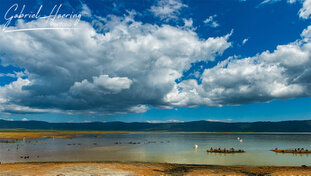
Skies are often filled with movement. Light can change from soft and silvery to dramatic within minutes, while rain, clouds and reflections create photographic possibilities that are difficult to find later in the year.
This journey began at Kilimanjaro Airport and continued through Tarangire, Karatu and Ngorongoro before reaching Ndutu during the Great Migration calving season. The final chapter unfolded around Seronera in the central Serengeti.
Each stage changed the atmosphere. Tarangire felt rich and textured, Ngorongoro cooler and more theatrical, Ndutu open and restless, and Seronera provided a final return to the classic Serengeti landscapes of acacias, kopjes and evening light.
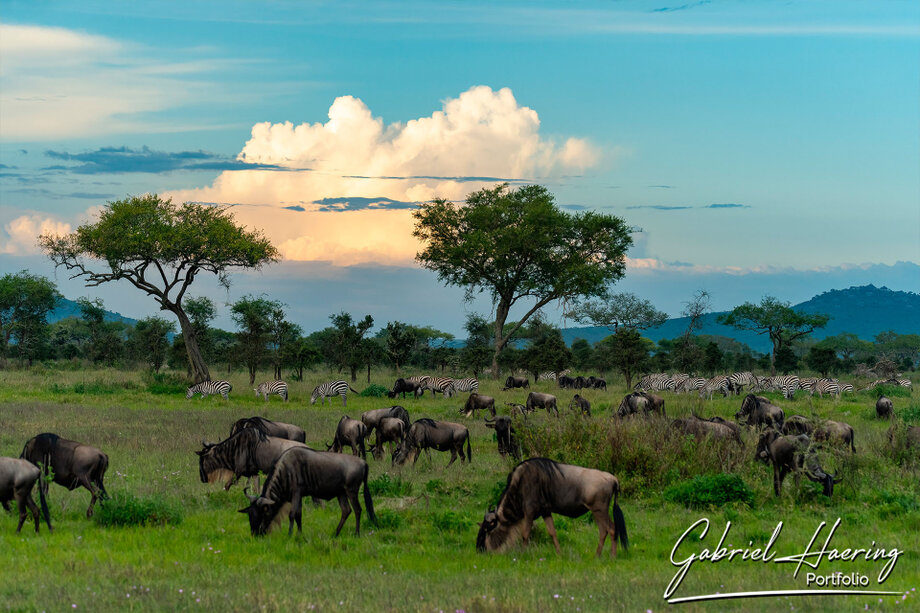
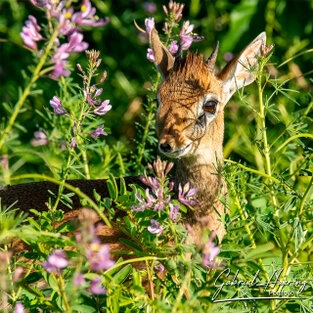
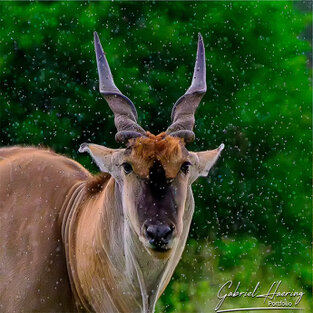
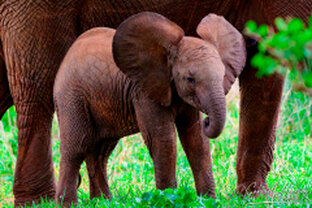
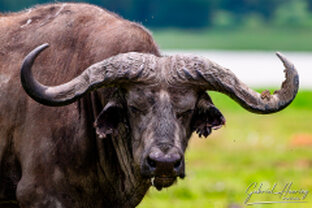
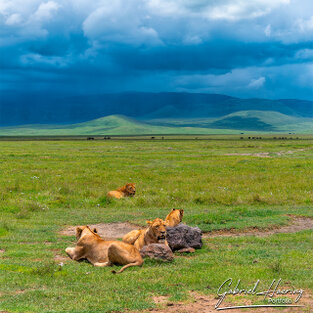
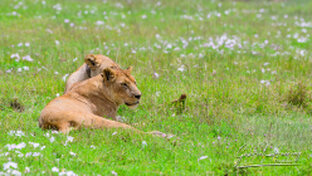
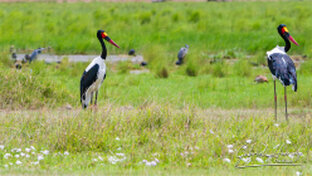
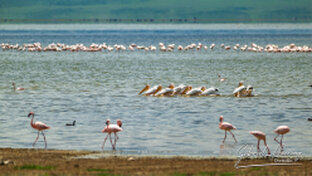
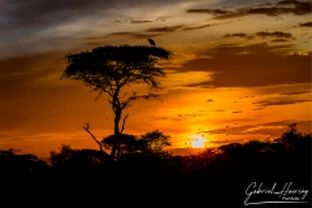
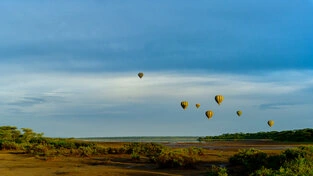
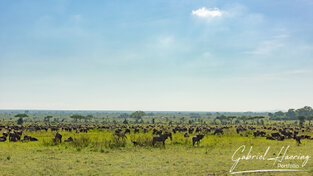
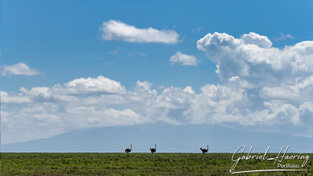
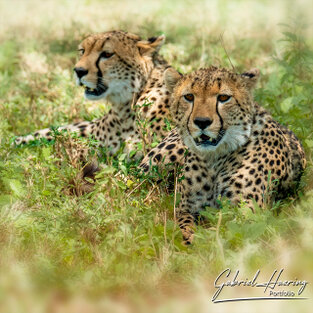
A visual introduction to the landscapes, wildlife and atmosphere of northern Tanzania during the green and calving season.
The calving-season route
The original Google map follows the journey from Kilimanjaro through Tarangire, Karatu, Ngorongoro, Ndutu and Seronera. Each stage introduces a different habitat and visual rhythm.
A green beginning full of life
We began with three nights in Tarangire, where the green season gives the park a softer and fuller character. Vegetation has greater depth, colours become richer and the combination of red earth, fresh foliage and pale baobab trunks creates a rewarding photographic palette.
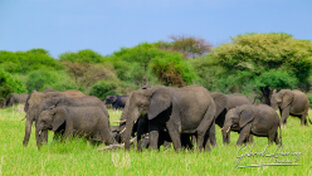
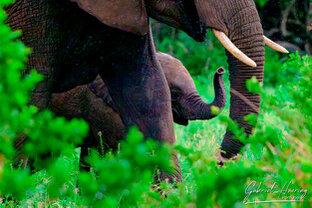
Elephants shaped many of the most memorable encounters. Families moved calmly through woodland and open spaces, often framed by baobabs or areas of green vegetation that gave familiar scenes a gentler and more vibrant mood.
Tarangire allows wildlife to sit naturally within its environment. The photograph is not only about the animal; it is also about presence, balance, scale and a sense of place.
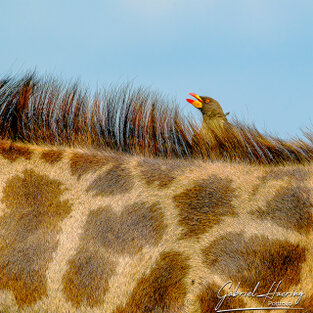
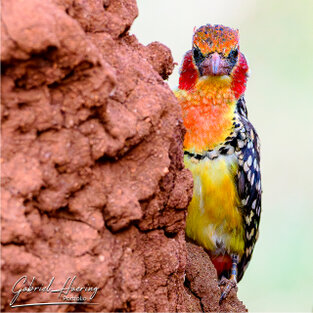
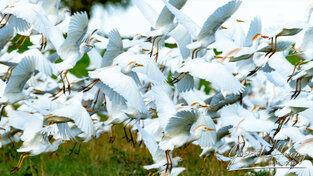
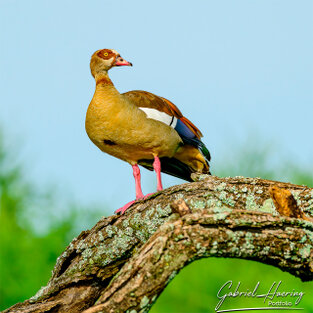
Birdlife added another dimension. Breeding colours, migrant species and the park’s variety of habitats meant that a drive beginning with elephants or lions could quickly become an extended observation of rollers, bee-eaters, hornbills or raptors.
By the time we left, the journey had established its tone: atmosphere, colour, birdlife and the sense that the season itself was an active part of the story.
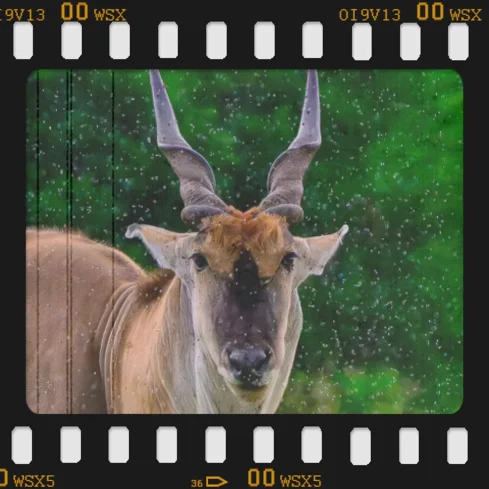
Karatu and Ngorongoro: the transition matters
After Tarangire, we travelled towards Karatu for an overnight stay before entering the Ngorongoro Conservation Area. This was more than a practical transfer.
The route gradually climbed away from the warmer plains into cooler and greener highlands. Farms, forest and changing light prepared the eye for an entirely different environment.
Karatu provided a pause between the baobab landscapes of Tarangire and the openness of Ndutu. It gave the itinerary room to breathe before the migration became the central focus.
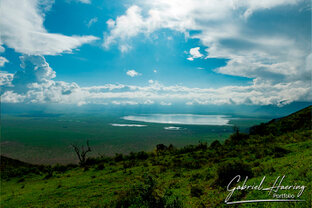
The following day, clouds surrounded the upper crater rim while the floor opened beneath clearer skies. Descending into Ngorongoro created both drama and visual depth: darker cloud above, brighter grasslands below and wildlife moving through a self-contained natural amphitheatre.
Ngorongoro’s density and immediacy contrasted beautifully with the parks before and after it. Altitude, vegetation and varied habitats also introduced a different range of birdlife.
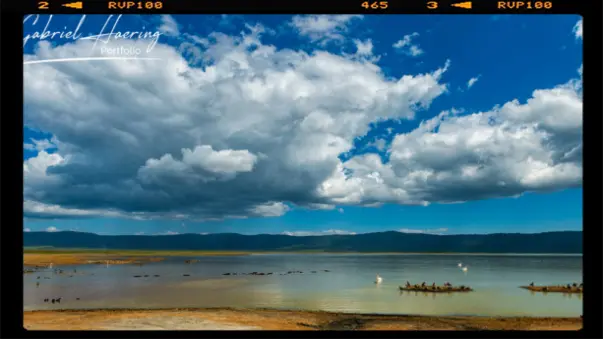
Tarangire introduced the green season. Ngorongoro changed the atmosphere. Ndutu would bring the journey fully to life.Field notes · Northern Tanzania
Where the journey became most alive
Ndutu was the stage I had anticipated most. During the green and calving season, the southern plains are filled with movement and the landscape seems charged with energy.
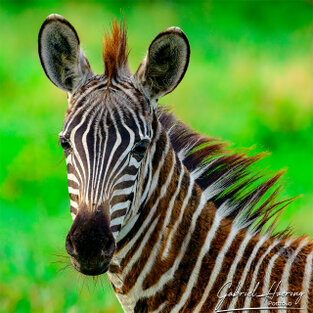
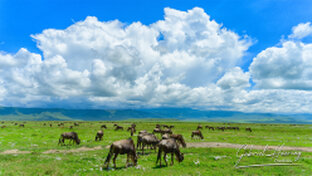
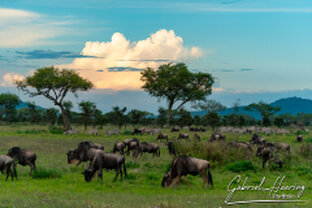
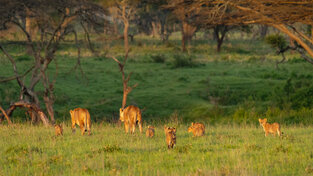
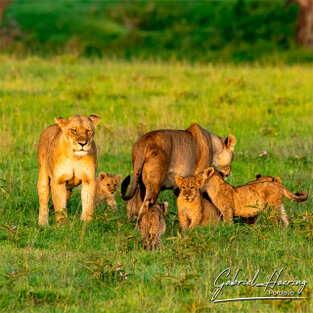
What struck me was not only the number of wildebeest and zebra, but the constant sense that something was unfolding. Mothers remained close to newborn calves, herds shifted across the plains and predators were rarely far away.
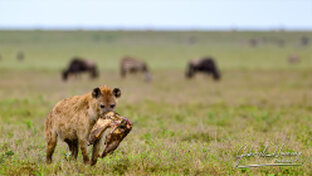
The atmosphere carried beauty and tension at the same time. New life made the experience emotional, while vulnerability and predator activity reminded us that the season is part of a much larger natural cycle.
Photographically, Ndutu combined scale and intimacy. One moment invited a wide composition of herds beneath moving clouds; the next reduced the scene to a single calf, a mother’s attention or a brief behavioural interaction.
Fresh grass, soft colours and changing skies gave the plains a richer atmosphere than later in the year. By the end of the stay, Ndutu had become more than a migration destination. It was the place where the story felt most alive.
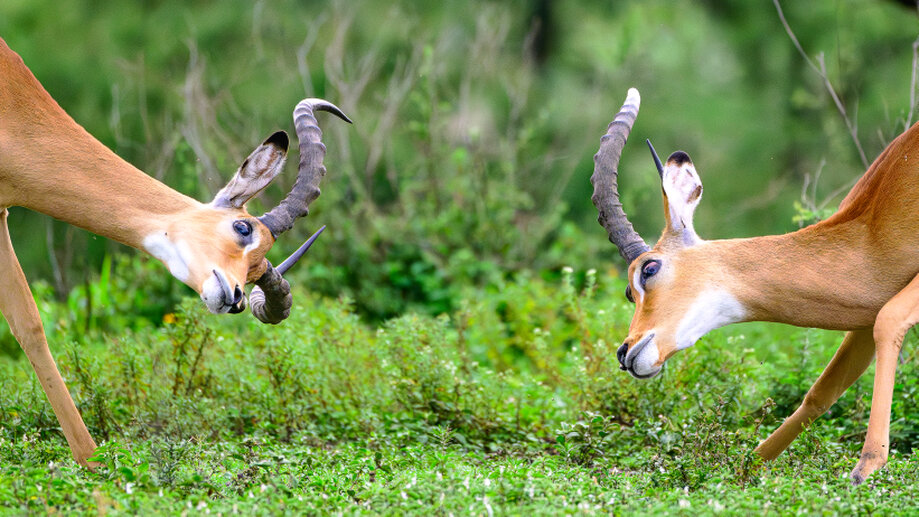
A classic Serengeti ending
After Ndutu, we continued north to Seronera for the final stage of the journey. The transition gave the safari a satisfying conclusion rather than ending directly on the southern migration plains.
Central Serengeti introduced a familiar but distinct atmosphere: acacias, kopjes, open grassland and resident wildlife occupying a landscape shaped by softer evening light.
Seronera allowed the journey to close with one more visual change. After Ndutu’s openness and restless migration energy, the central Serengeti felt more structured and established.
The final evening and morning carried their own emotional weight. Kopjes became more pronounced as the light softened, and each encounter felt like a final chapter rather than simply another game drive.
Birdlife remained strong around riverine areas, acacia woodland, grasslands and kopjes, ensuring that the journey retained its richness until the end.
How each stage changed the story
The route worked because every destination added a distinct landscape, emotional register and photographic opportunity.
Green woodland and baobabs
Tarangire introduced a rich green-season environment with elephants, birds and wildlife framed naturally by the park.
- Elephants among baobabs and woodland
- Rich colours and fresh vegetation
- Strong migrant and resident birdlife
- Red earth and atmospheric skies
Drama, altitude and scale
Ngorongoro changed the atmosphere through cooler highlands, crater walls, clouds and concentrated wildlife.
- Dramatic crater-rim weather
- Wildlife within an immense caldera
- Varied highland and crater habitats
- A strong sense of natural theatre
Birth, movement and tension
Ndutu became the emotional heart through migration herds, newborn calves, maternal behaviour and predator activity.
- Wildebeest and zebra across open plains
- Newborn animals and maternal behaviour
- Predators following the migration
- Scale and intimacy in the same landscape
A classic Serengeti conclusion
Seronera completed the journey with kopjes, acacias, resident wildlife and the softer rhythm of central Serengeti.
- Acacia woodland and open grassland
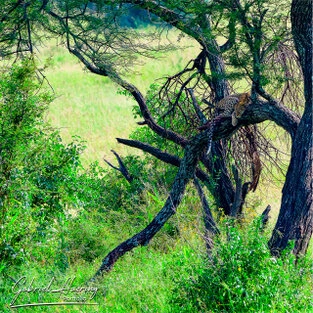
- Kopjes and resident predators
- Riverine habitats and birdlife
- Memorable final evening light
Why green-season conditions mattered
Rain brought uncertainty, but it also produced the colour, clouds, light and behaviour that gave the report its strongest atmosphere.
Fresh landscapes
New grass and richer vegetation transformed familiar parks into softer and more colourful environments.
Changing light
Clouds, rain and clear intervals created rapid transitions between soft, dramatic and strongly directional light.
New life
Newborn wildebeest and other young animals introduced vulnerability, maternal behaviour and emotional depth.
A season in motion
Moving herds, weather and predator activity ensured that the landscape never felt static or completely predictable.
Experiencing a living season in motion
This journey confirmed why I value the green and calving season so highly. The landscapes felt fresh, migration brought energy to Ndutu and birdlife added depth throughout the route.
The season also shaped the emotion of the journey. It felt less static and less predictable than a dry-season safari. Rain could arrive, skies could change and a calm scene could become dramatic within minutes.
These conditions were not inconveniences to be edited out of the story. They were part of what made the photographs and memories distinctive: clouds, reflections, fresh colour, newborn animals and constantly changing light.
In the end, this was not only a report about seeing the Great Migration. It was about Tarangire in green, Ngorongoro under shifting skies, Ndutu full of birth and tension, and Seronera closing the journey with an unmistakable Serengeti atmosphere.
The calving season does not simply show northern Tanzania. It allows you to feel the landscape changing and life beginning again.Gabriel Haering
Explore the current calving-season safari
This report documents the experience, atmosphere and photographic progression of a completed journey during the green and calving season.
The dedicated commercial page contains the current departure, itinerary structure, accommodation, inclusions, price, availability and enquiry form. A separate interactive page presents the detailed geographical itinerary.
Keeping these functions separate allows this page to remain an authentic field story while the commercial page answers practical booking questions.